You head out for a run, a hike, or a workout, and partway through your knee starts to ache or your low back tightens up. You stretch, foam roll, maybe change your shoes, but the pain keeps showing up and no one has really explained why your glutes are not activating and how it leads to knee and back pain.
As a sports physical therapist at Total Pursuit Physical Therapy & Performance, I see this pattern with active adults and athletes every week. You stay dedicated to your training and your lifestyle, yet your body does not always cooperate the way you expect.
Often the real problem is not your knee or your back. Instead, your glutes are not doing their job, so other areas work overtime and start to complain.
This can happen if you sit a lot for work, train hard without much variety, recently had a baby, or simply move through life at full speed without focused strength and control work. Your body is smart and finds ways to keep you going, but those compensations eventually catch up.
In this blog, we walk through why glutes shut down, how that puts extra stress on your knees and back, and what you can start doing to turn things around. You learn practical sports physical therapy based strategies you can plug into your training and daily routine without giving up the activities you love.
How Sleeping Glutes Lead To Knee And Back Pain
When your glutes work well, they act like powerful shock absorbers and stabilizers. They help you move with strength instead of strain.
You have three main glute muscles on each side, and in simple terms they help you:
• Push the ground away when you run, hike, or climb stairs
• Control your leg when you land from a jump or step off a curb
• Keep your pelvis steady when you stand on one leg
• Support your spine when you bend, lift, and carry
For outdoor athletes in Wisconsin, strong glutes protect you on uneven trails, slippery sidewalks, hills, and long training days. They help you keep good form in a workout, hold your archery stance, and support your body when you scramble up rock or chase kids around a park.
When your glutes fire on time and with enough force, your knees stay more centered over your feet and your back does not have to muscle through every task. You feel more power, more control, and less wear and tear.
Why Your Glutes Are Not Activating In The First Place
If your glutes feel sleepy, it does not mean you are weak or lazy. It usually means your body has adapted to the way your life and training look right now.
Common reasons your glutes check out include:
• Long hours of sitting at a desk, driving, or working remotely
• Previous ankle, knee, hip, or back injuries that changed how you move
• Postpartum changes to your core and pelvis
• Repetitive sport patterns, like always planting the same leg in archery
• Heavy training without enough strength and control work for the hips
• General fatigue and stress that make your body choose the easiest pattern

When you sit a lot, your hips stay in a bent position and the muscles in the front of your hips tend to stiffen. Your glutes then lose their chance to move through a full range and turn on strongly.
If you had an old sprain, surgery, or back flare up, your brain may still protect that area by shifting load away from it. That protection can linger, even after the original injury calms down, and your glutes never fully come back online.
How Weak Or Inactive Glutes Stress Your Knees
Your glutes, especially the side glutes, guide how your thigh bone lines up over your knee and foot. They keep your knee tracking in a safe, efficient path.
When those muscles do not fire well, the knee can cave inward or drift all over the place. You might notice this during:
• Squats or lunges at the gym
• Running, especially as you get tired
• Hiking downhill
• Stepping off a curb or down a stair
That repeated knee collapse puts more pressure on the inside of the knee, under the kneecap, and on the tissues that work to stabilize the joint. Over time, you may feel:
• Aching around or behind the kneecap
• Sharp pain with squats or stairs
• Soreness on the outside of the knee after runs or long walks
• A feeling that the knee is wobbly or not trustworthy
Think of your glutes as the steering system for your leg. If the steering is loose, the knee has to work harder to stay in line, and pain often follows.
How Inactive Glutes Load Your Low Back
Your glutes are built to help you hinge at your hips, not your spine. They should handle the heavy lifting when you bend, pick something up, or stand up from a chair.
When the glutes do not show up, your low back and hamstrings take over almost everything. You might notice:
• Back tightness after standing at games or events
• Back fatigue after picking up kids or carrying groceries
• A deep ache across the belt line after a long workday
If every lift turns into a back exercise, your spine absorbs more of the load than it should. That can irritate the small joints, discs, and muscles in your low back.
Over time, simple tasks like unloading the car, shoveling snow, or doing yard work can feel risky. You start to brace, move stiffly, and trust your back less, which can make the problem worse.
Common Signs Your Glutes Might Not Be Pulling Their Weight
You do not need fancy equipment to suspect sleepy glutes. Your everyday experiences already give you a lot of clues.
Common red flags I see in the clinic include:
• Knee pain that flares during or after runs, hikes, or squat workouts
• Low back tightness after sitting, lifting, or long walks
• One leg that always feels weaker, shakier, or less coordinated
• Front of thigh burning during exercises that should target your butt
• Trouble feeling any work in your glutes during bridges or hip thrusts
You can also try a couple of simple, non clinical checks at home. These do not diagnose anything, but they help you better understand how your hips are working.
Single leg bridge check:
• Lie on your back with one knee bent and the other leg straight.
• Lift your hips and see if you feel a strong, clear effort in the glute of the bent leg.
• Notice if your hamstring cramps or your back arches instead.
Step down check:
• Stand on a low step or sturdy box.
• Slowly bend the standing leg and tap the opposite heel to the floor.
• Watch your knee in a mirror, and see if it dives inward.
These checks do not replace a full assessment, but they help you see how much your glutes really join the movement.
ou do not have to figure this out alone or give up the activities you love. If you live in the De Pere or Green Bay area and want a clear plan to get your glutes working and your knees and back feeling better, we are here to help.
We offer a simple first step: talk to our team for a free call to find out how we can help you recover and get back to your best. You can ask questions, share your goals, and see if working together feels right for you.
Call Total Pursuit Physical Therapy & Performance at (920) 403 0085 to schedule your free call and begin building stronger glutes, happier knees, and a more resilient back.
Reset, Activate, And Strengthen To Wake Up Your Glutes
Step 1: Improve Position And Posture So Your Glutes Can Fire
Glute activation is not just about doing more exercises. It starts with how you set up your body for daily movement.
When your hips sit forward or your back arches all day, your glutes have a poor starting position. To fix that, try these simple posture resets.
For standing:
• Stand with your feet about hip width apart.
• Gently shift your weight so it feels even from heel to toes.
• Lightly pull your ribs back over your hips instead of flaring your chest.
• Unlock your knees and think tall through the crown of your head.
For lifting:
• Push your hips back like you are closing a car door with your butt.
• Keep the weight close to your body.
• Let your chest tip forward slightly without rounding your spine.
These small changes let your glutes share the work again. They also protect your knees and back during daily tasks that you repeat over and over.
Step 2: Gentle Mobility Work To Free Up Hips
If your hips feel stiff, you can think of your glutes as trying to fire inside a tight box. They will not move well if they do not have room.
Targeted hip mobility can open that space, and you do not need long stretching sessions to make progress. A few focused moves done regularly can help a lot.
Useful options include:
Hip flexor stretch for people who sit a lot:
• Kneel on one knee with the other foot in front.
• Gently shift your hips forward until you feel a stretch in the front of the back hip.
• Keep your ribs stacked over your pelvis.
• Hold for 20 to 30 seconds and repeat a few times.
Figure four type stretch:
• Lie on your back with both knees bent.
• Cross one ankle over the opposite thigh.
• Gently pull the uncrossed leg toward your chest.
• You should feel a stretch in your glute and hip.
Dynamic hip openers, done in a controlled range, can also help. Slow leg swings or small hip circles can warm the area before activity.
The key is comfort and control, not forcing your body into big ranges. You want enough mobility to let your glutes contract without fighting stiff tissue at every turn.
Step 3: Glute Activation You Can Feel
Once your hips move better, you want your brain to reconnect with your glutes. This is the wake up phase.
During this stage, the goal is not heavy load. The goal is clear, strong sensation right in the glute.
Try these staple movements with focus:
Glute sets:
• Lie on your back with knees bent.
• Gently squeeze your butt cheeks together without holding your breath.
• Hold for 5 seconds and relax.
• Repeat for 10 to 15 repetitions.
Clamshells:
• Lie on your side with hips and knees bent.
• Keep your feet together and slowly lift the top knee.
• Do not let your pelvis roll backward.
• You should feel the side of your hip working.
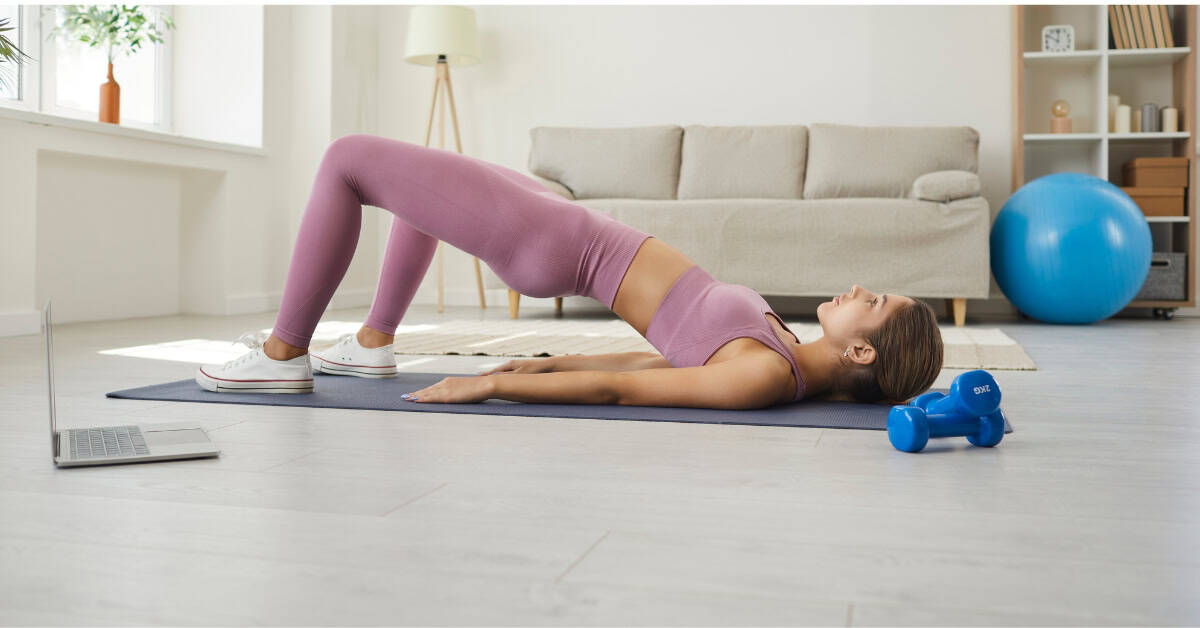
Bridges:
• Lie on your back, knees bent, feet hip width apart.
• Press through your heels and lift your hips until your body forms a straight line from shoulders to knees.
• Focus on squeezing your glutes at the top, not arching your low back.
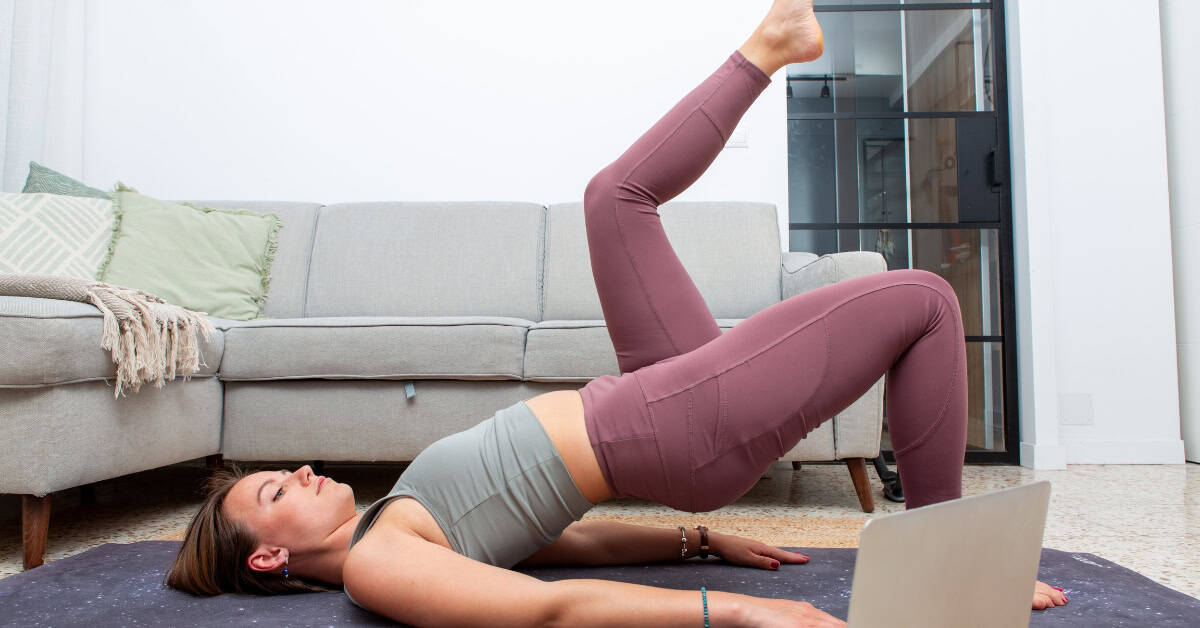
Single leg bridge, when ready:
• Use the same setup as the bridge, but lift one foot off the floor.
• Keep your hips level as you lift and lower.
If you mostly feel your back or hamstrings, adjust your position. Move your feet slightly closer or farther from your body, or think about pushing the floor away with your heel.
Small changes can shift the work where it belongs. A few minutes of focused activation a day can build a strong foundation over time.
Step 4: Build Real World Strength For Your Sport And Lifestyle
Once your glutes wake up, you want to load them in positions that look like real life. This is where you build protection for your knees and back.
Strength work does not have to be fancy. It just needs to be consistent, progressive, and matched to what you love to do.
Some useful movement patterns are:
Hip hinge and deadlift variations:
• Romanian deadlifts with dumbbells or a kettlebell
• Hip hinges with a dowel or stick to learn the pattern
• Kettlebell deadlifts from a low box or plates
Squats and split squats:
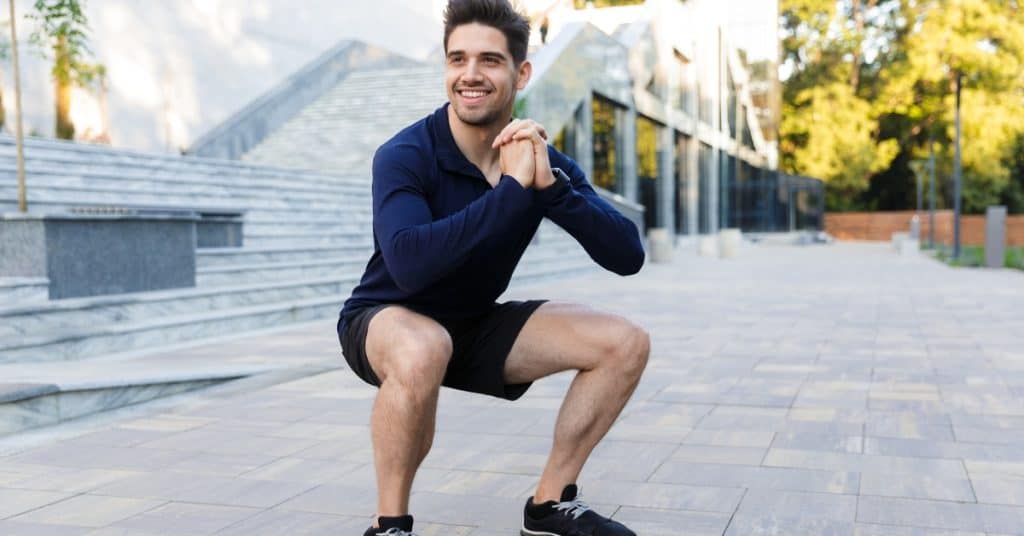
• Bodyweight squats focusing on knee alignment
• Split squats or lunges with a short stance to protect balance
• Rear foot elevated split squats when you feel steady
Lateral and single leg work:
• Side steps with a mini band around the ankles or knees
• Single leg Romanian deadlifts for balance and control
• Step ups to a box or bench at a safe height
You can tailor these to your sport or life. The goal is to build strength that shows up in your everyday and athletic movement.
For runners, single leg strength and control help your body handle the repetitive impact of each stride. Step downs, single leg hinges, and controlled hops can support smoother form and lower strain.
For hikers and climbers, step ups, loaded carries, and lateral work build stability on uneven ground. Holding at the top of a step up teaches control at the exact angle your knee and hip meet steep terrain.
For new moms and busy professionals, short ten to fifteen minute sessions can fit between meetings or naps. A simple mix of bridges, hip hinges, and split squats still adds up when you stay consistent.
For active older adults, sit to stand work, step ups, and side steps support balance and independence. You can start with support from a chair, rail, or countertop, and gradually rely on less assistance.
The point is to build glutes that help you live your actual life. You want strength that carries over to walking the dog on icy sidewalks, climbing into a fishing boat, or playing tag with grandkids without worrying about your back or knees.
Step 5: When To Consider Help From A Sports Physical Therapist
You can make a lot of progress on your own with smart glute work. Still, some situations call for a more targeted plan.
You may benefit from a sports physical therapy assessment if:
• Knee or back pain sticks around for more than a couple of weeks
• Pain limits your normal training, hikes, or daily tasks
• Symptoms flare up every time you try to return to running or lifting
• One side feels very different from the other and does not improve
• You feel unsure how to progress without making things worse
In the clinic, we look at how your whole body moves, not just the painful spot. That includes:
• How your hips and ankles move
• How your glutes fire during simple and loaded tasks
• How your spine handles bending, lifting, and rotation
• How your sport or daily habits shape your movement patterns
From there, we build a plan that fits your schedule and goals. The focus stays on helping you move with more confidence, protect your knees and back, and keep the activities that matter most in your life.
Rebuilding Strong, Active Glutes So Your Knees And Back Can Relax
How We Help Active Adults And Athletes In Green Bay And De Pere
If you recognize yourself in these glute, knee, or back patterns, you are not broken. You just need a smarter plan that matches how you move, train, and live.
At Total Pursuit Physical Therapy & Performance, we work one on one with active adults and athletes who want to stay out on the trails, in the gym, and with their families. We look at your whole movement system, not just the painful spot.
We help:
• Outdoor athletes who want stronger, more reliable hips for running, hiking, archery, and climbing
• CrossFit and gym athletes who want to squat, lift, and jump without constant knee or back flare ups
• Postpartum moms who want to return to lifting, running, or classes with a body that feels connected again
• Busy professionals who need short, effective programs that fit into tight schedules
• Active older adults who want to build resilience, not just rest and avoid activity
Our goal is simple. We help you build glutes that support your knees and back, so you can live the active life that matters to you.
Sports Physical Therapy That Fits Your Real Life
You do not need endless clinic visits or complicated routines. You need clear guidance, focused exercises, and a plan that fits your time, your body, and your goals.
We design sessions that blend:
• Targeted mobility to free up stiff hips
• Glute activation you can actually feel
• Strength work that mirrors your sport and daily life
• Education so you understand why your body moves the way it does
Everything is personalized to you, whether you are training for a race, chasing toddlers, getting back after pregnancy, or simply staying strong for the long haul. You stay in motion, and we help you move with more confidence and less guesswork.
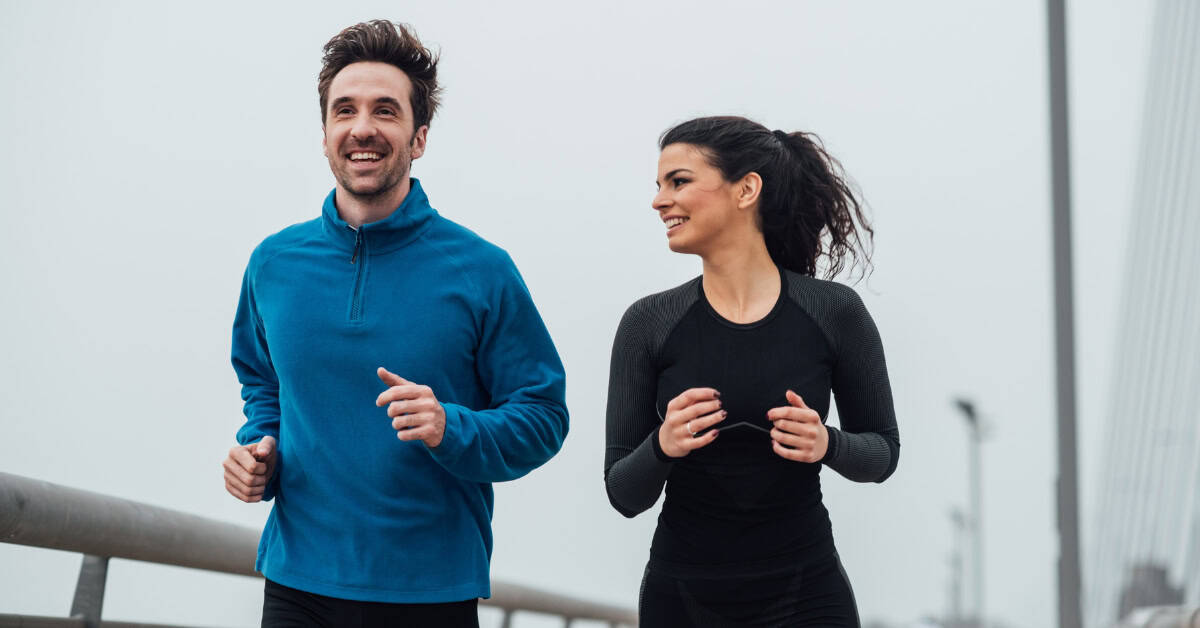
From Pain And Frustration To Confidence And Control
When your glutes wake up and your movement improves, your whole body can feel different. Knees track better, backs calm down, and workouts start to feel strong instead of fragile.
You can feel more sure footed on icy sidewalks, more powerful during runs, and more relaxed after long days. Most of all, you gain confidence that your body can handle what you ask of it, instead of worrying about the next flare up.
Ready To Wake Up Your Glutes And Protect Your Knees And Back
You do not have to figure this out alone or give up the activities you love. If you live in the De Pere or Green Bay area and want a clear plan to get your glutes working and your knees and back feeling better, we are here to help.
We offer a simple first step: talk to our team for a free call to find out how we can help you recover and get back to your best. You can ask questions, share your goals, and see if working together feels right for you.
Call Total Pursuit Physical Therapy & Performance at (920) 403 0085 to schedule your free call and begin building stronger glutes, happier knees, and a more resilient back.