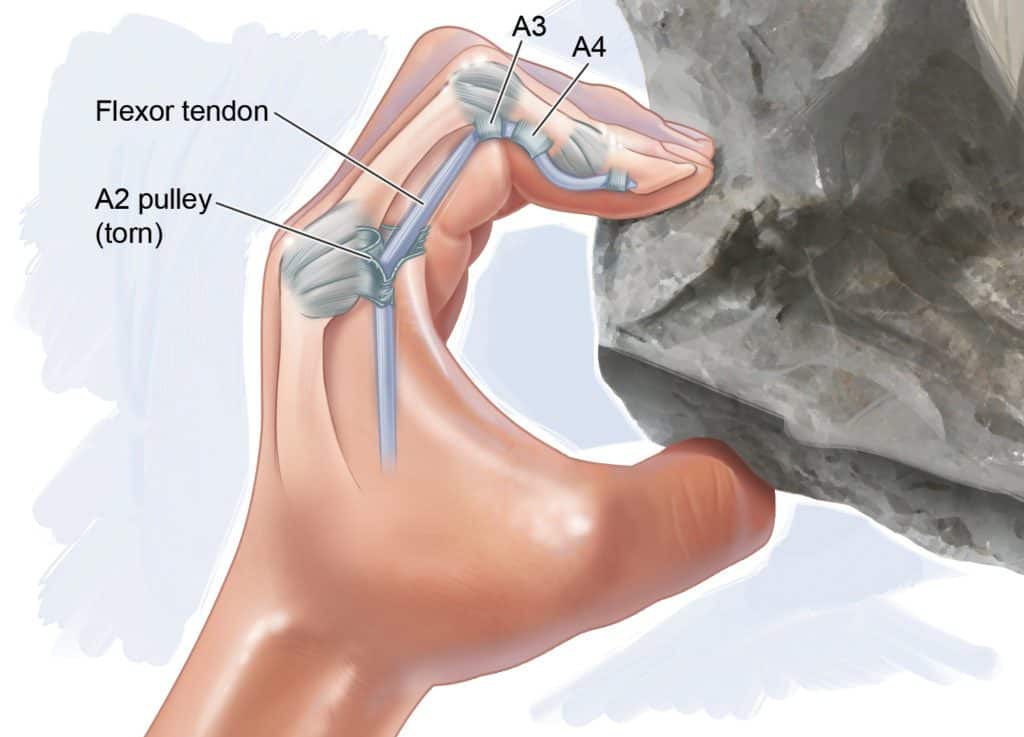
Pulley Injuries: A Common Climbing Challenge
As a physical therapist specializing in treating athletes, I frequently see climbers battling finger injuries, particularly those affecting the pulleys. Pulley injuries, common among climbers, involve the fibrous bands that hold the tendons of the finger flexor muscles against the bones of the fingers. These injuries often result from repetitive strain or acute trauma, causing pain, swelling, and reduced grip strength.
The Role of Pulley Taping in Climbing Injury Management
Taping is a critical technique in sports medicine, providing support, reducing pain, and enhancing the healing process. For climbers, effective taping can be the difference between continuing their passion and being sidelined by injury.
Introducing the H-Tape Method
The H-Tape method is a specialized taping technique designed specifically for pulley injuries. This method involves creating an “H” shape with the tape, providing targeted support to the injured area. The H-Tape method helps stabilize the finger joints, reducing the strain on the injured pulley and allowing for more effective healing.
Step-by-Step Guide to H-Taping for Pulley Injuries
Preparation:

- Clean the finger thoroughly to ensure proper tape adhesion.
- Cut one piece of tape long enough to wrap around the finger. The, cut two slits in the tape to form an “H” shape.
Initial Application:

- Place the cross-section of the tape across the joint of the inured finger, with one side of the “H” on each side of the injured joint.
- Flex the finger slightly to allow for a more secure fit.
Securing the Tape:

- Ensure the tape is snug but not too tight to avoid restricting blood flow.
- Smooth out any wrinkles or folds to prevent discomfort.
Testing:

- Flex and extend the finger to ensure the tape provides adequate support without limiting movement.
Benefits of the H-Tape Method for Pulley Injuries
Targeted Support: The H-Tape method offers specific support to the injured pulley, reducing strain and promoting healing.
Pain Relief: By stabilizing the finger, the tape helps alleviate pain associated with movement and pressure on the injured area.
Enhanced Healing: Properly applied tape can improve blood flow and reduce swelling, accelerating the recovery process.
Continued Activity: With the support of the H-Tape method, climbers can often continue to engage in their sport, reducing the risk of further injury.
Practical Tips for Climbers
Consistency: Regularly applying the H-Tape method can provide ongoing support and protection during the healing process.
Professional Guidance: Consult with a physical therapist to ensure the taping technique is applied correctly and receive personalized advice for managing your injury.
Complementary Therapies: Combine taping with other treatments such as gentle exercises prescribed by your physical therapist to promote overall recovery.
Conclusion
The H-Tape method is an invaluable tool for climbers dealing with pulley injuries. By offering targeted support and promoting healing, this technique can help climbers return to their sport more quickly and safely. At Total Pursuit Physical Therapy & Performance, we specialize in treating sports injuries and can provide expert guidance on effective taping methods and other therapeutic interventions.
For more information on managing sports injuries and optimizing your performance, click HERE to schedule a free consultation. Your path to recovery starts now!
Disclaimer- For information and educational purposes only. The above content is not intended as medical advice.
References:
Backcountry Physio. (n.d.). Pulley Injuries in Climbers: Causes, Symptoms, and Solutions. Retrieved from https://backcountryphysio.com/climbing-injury-pulley-injuries
The Climbing Doctor. (n.d.). Finger Pulley Injuries in Climbers: Anatomy, Diagnosis, and Treatment. Retrieved from https://theclimbingdoctor.com/finger-pulley-injuries/
Schweizer, A. (2001). Biomechanical Properties and Loading of the Finger Flexor Pulley System in Rock Climbers. Journal of Biomechanics, 34(3), 237-242.
Chow, D. H. K., & colleagues. (2000). Mechanical Properties of the Human Finger Flexor Pulley System. Clinical Biomechanics, 15(8), 624-630.
Vigouroux, L., & colleagues. (2006). Estimation of Finger Muscle Tendon Tensions and Pulleys Forces during Specific Sport-Climbing Grips. Journal of Biomechanics, 39(1), 2583-2592.