Do you feel pain in your elbow when you lift, grip, or twist something? This could be a sign of lateral epicondylitis, also known as tennis elbow. At Total Pursuit Physical Therapy & Performance, we help people like you reduce pain and get back to doing what you love. Today, we’ll explain what lateral epicondylitis is and share proven strategies for treating it.
What Is Tennis Elbow, AKA Lateral Epicondylitis?
Lateral epicondylitis happens when the tendons in your elbow become irritated or damaged. It’s often caused by overuse, like gripping, lifting, or repetitive arm movements. You don’t need to play tennis to get it—any activity that stresses your forearm muscles can cause this condition.
The pain usually starts on the outside of your elbow and can spread down your arm. Simple activities like holding a cup, shaking hands, or turning a doorknob can feel hard or painful. Research shows that proper treatment can reduce pain and improve how well your arm works.
1. Use Functional Movement Training
At Total Pursuit Physical Therapy, we focus on functional movement training to help the elbow heal. Instead of working one muscle at a time, we train the entire arm to move better. The elbow works with the wrist, shoulder, and core. Training all these parts together helps reduce stress on the elbow and supports long-term recovery.
Try This Exercise:
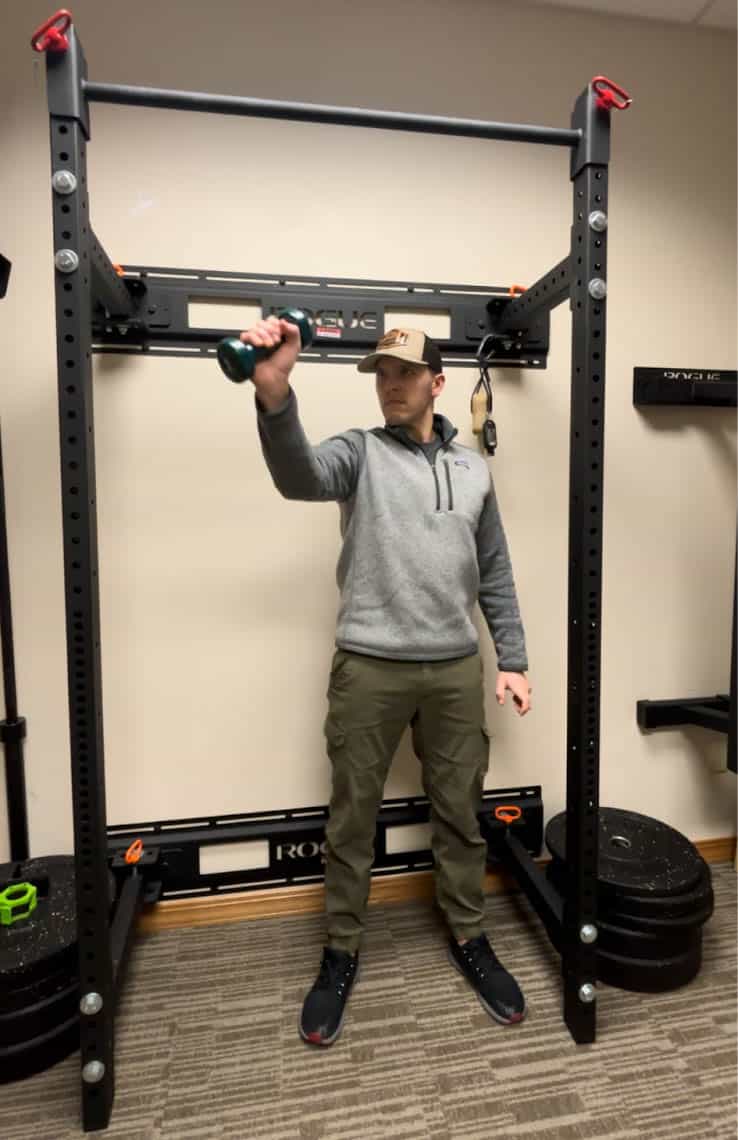
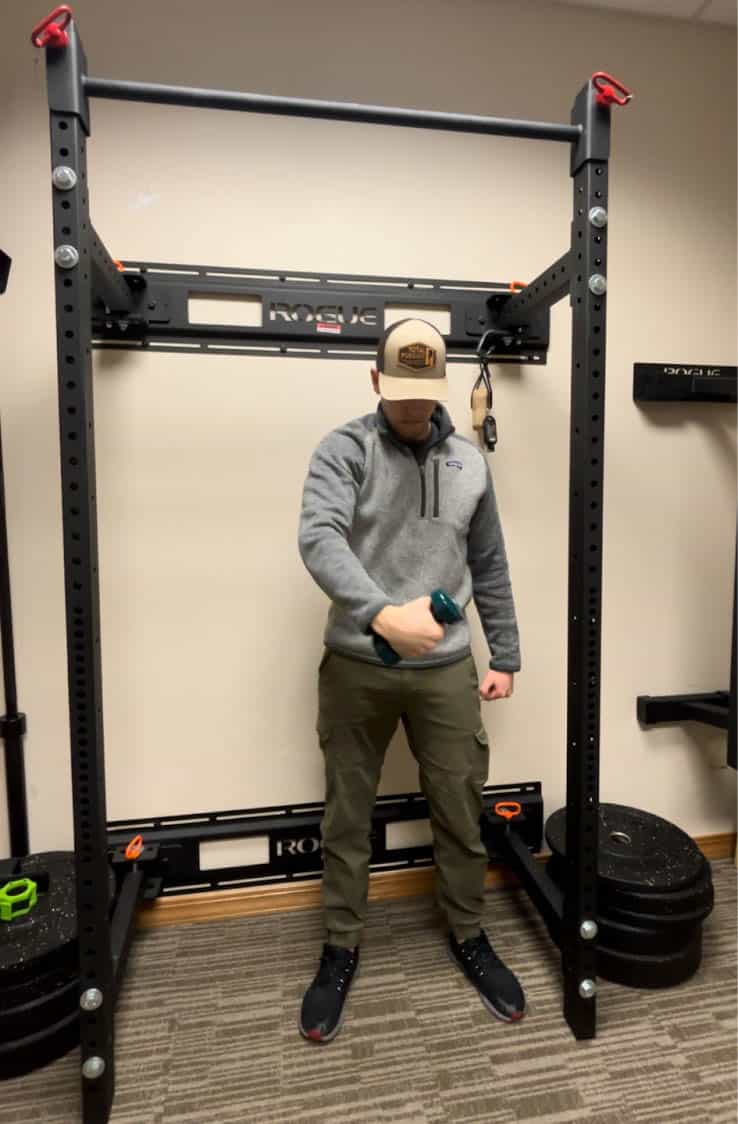
- Wrist Flexion and Extension with a Light Weight While Performing a Diagonal Shoulder Lift: Hold a light weight (like a water bottle) in your hand. With a comfortable speed, lift your wrist up while lifting your arm through a diagonal motion and curl your wrist down while lowering your arm through the diagonal motion (think disco!). This helps rebuild strength in the tendons while improving coordination with your shoulder.
2. Build Tendon Strength
Tendons heal differently than muscles, so it’s important to use the right type of exercise. Research shows that eccentric exercises (where the muscle lengthens under load) are very effective for treating lateral epicondylitis (Croisier et al., 2007). These exercises help the tendons rebuild and reduce pain.
Exercise Example:
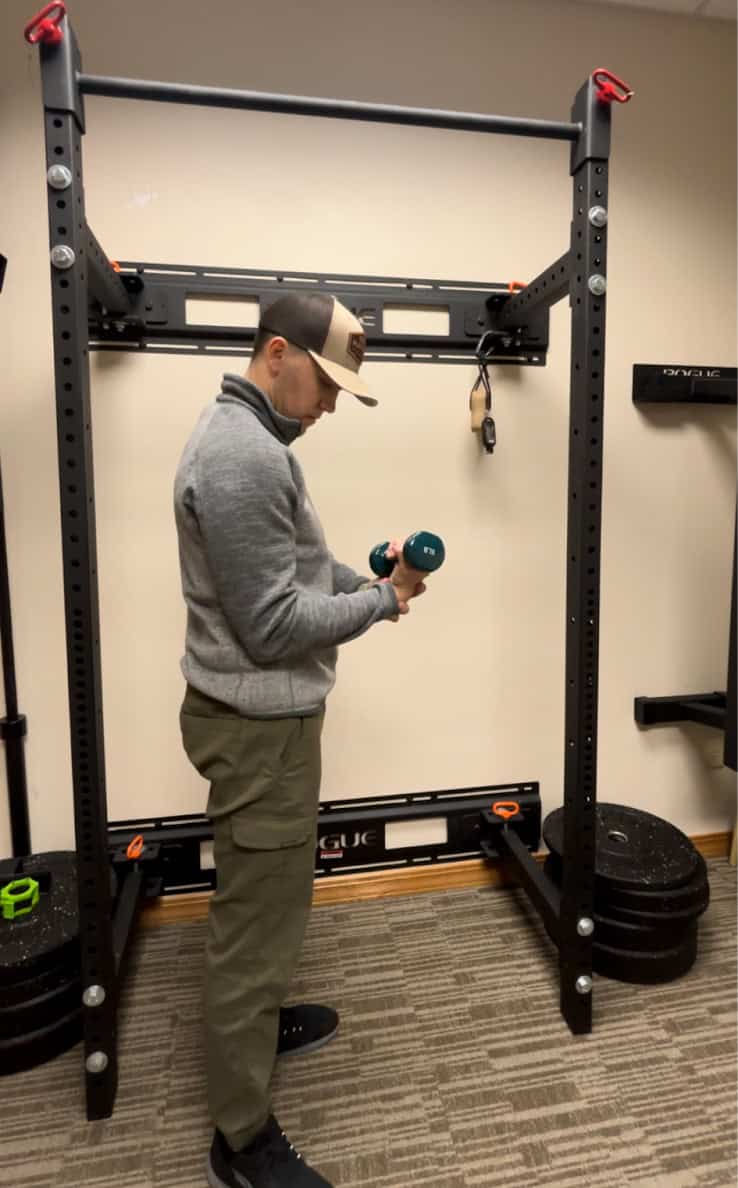
- Eccentric Wrist Extension: Use a moderate weight and lift your wrist with assistance of your other hand. Then, slowly lower the weight down using just the sore arm. Repeat 10-15 times for 2-3 sets.
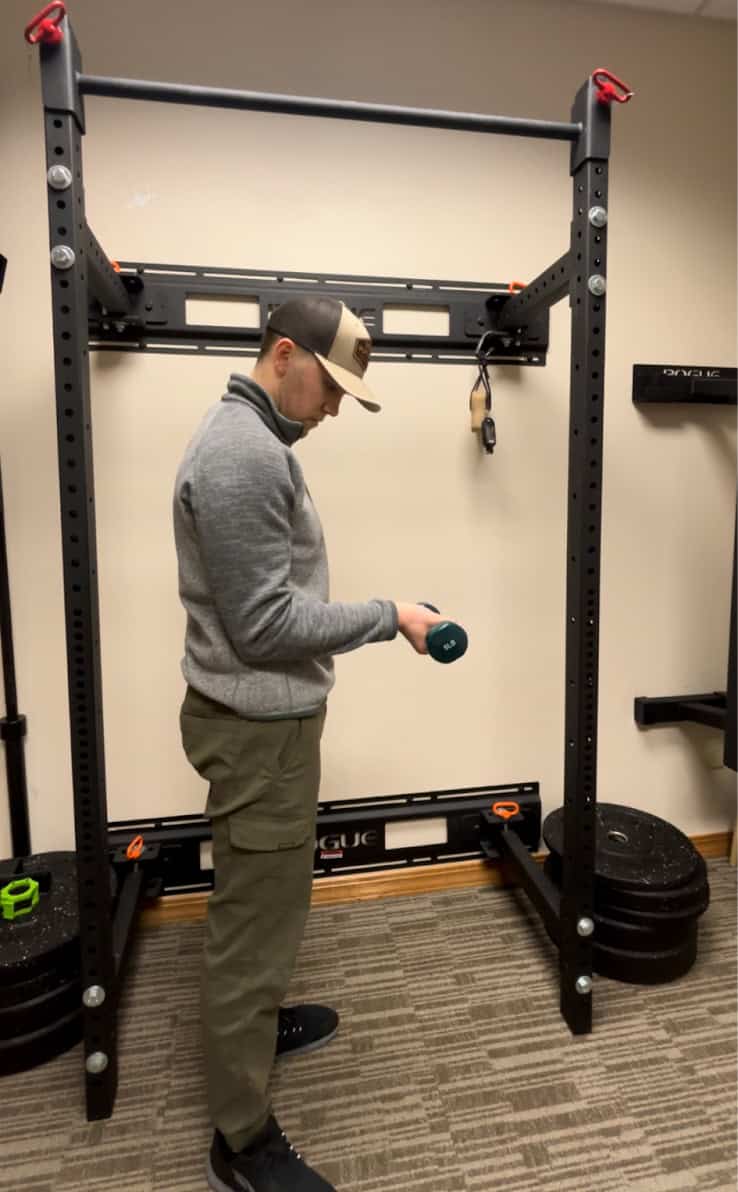
Pro Tip: Go slow! Moving too fast can put extra stress on the tendon.
3. Improve Grip Strength
Your grip strength can make a big difference in reducing elbow pain. Weak forearm muscles can put more strain on the tendons, making lateral epicondylitis worse. Strengthening your grip helps take the pressure off your elbow.
Try This Exercise:
- Ball Squeezes: Hold a soft ball or stress ball in your hand and squeeze it gently for 5-10 seconds. Release and repeat 10-15 times. Do this a few times a day to build strength without overworking the elbow.
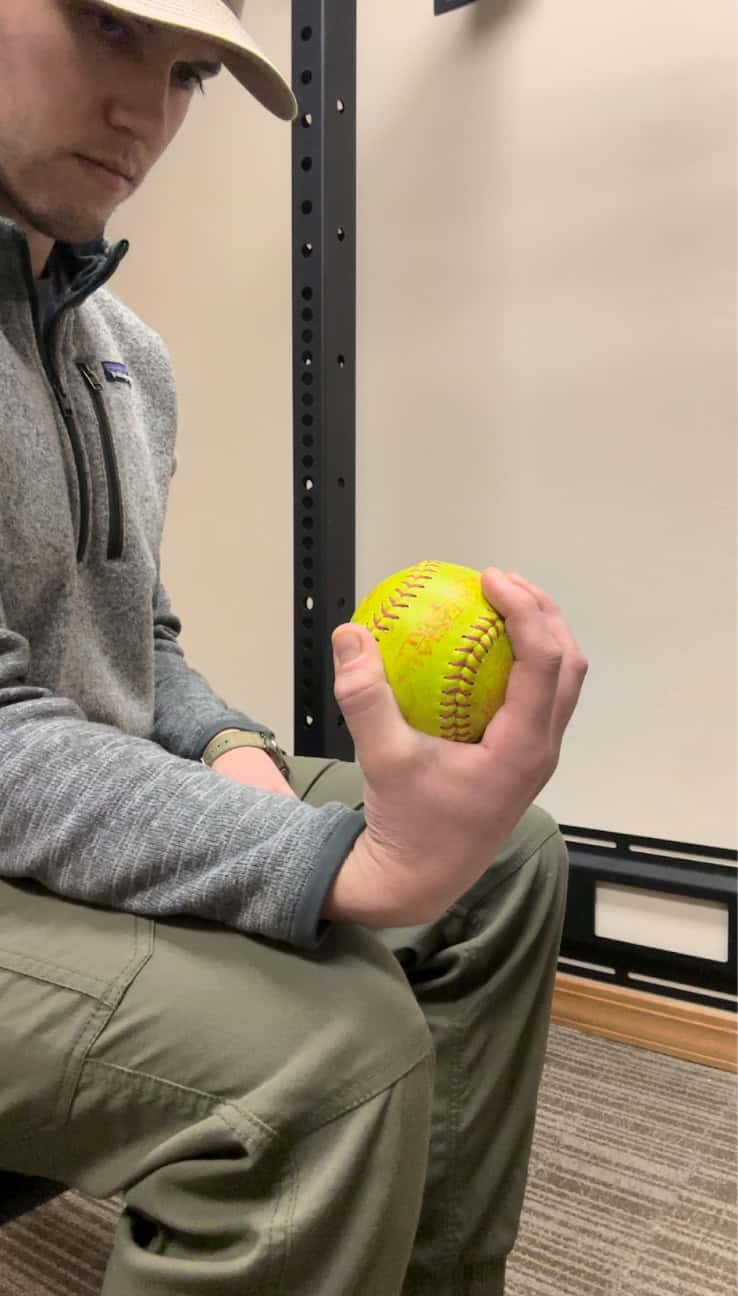
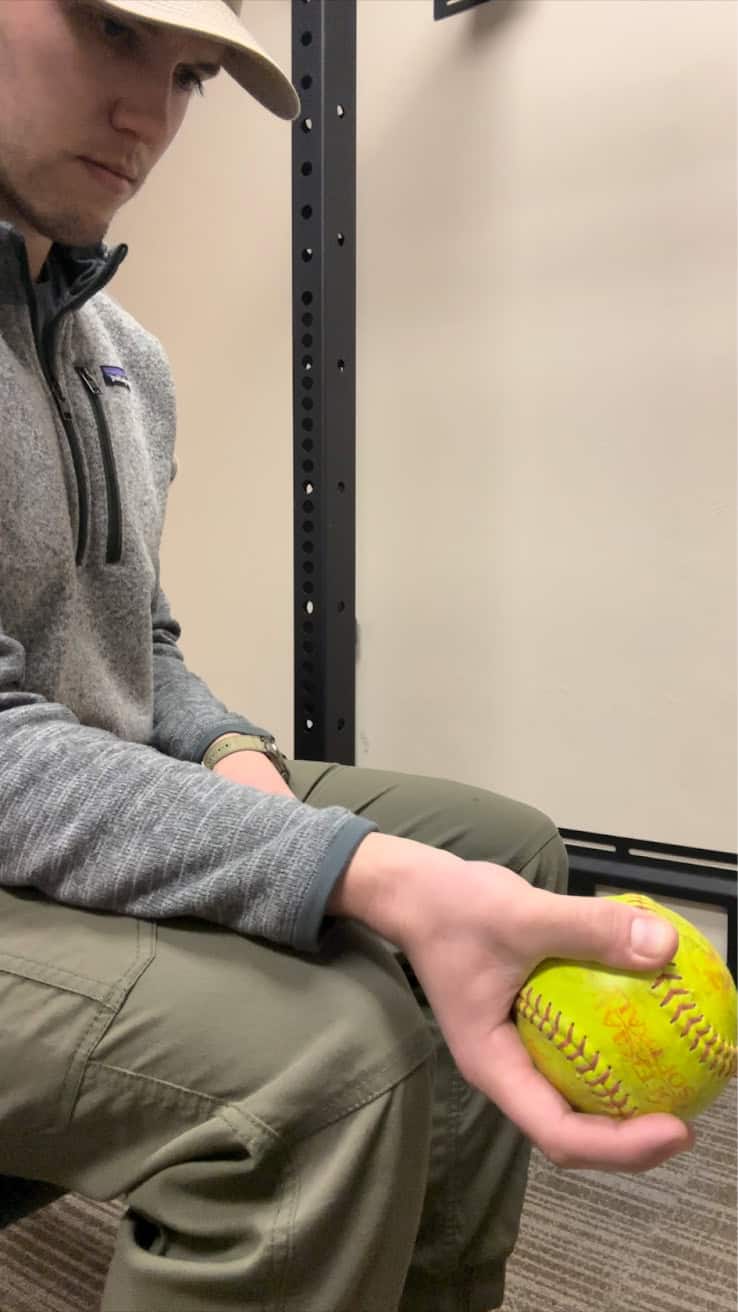
Pro Tip: Try squeezing the ball or stress ball while your wrist, forearm, elbow, and/or shoulder are in different positions. This builds functional strength in odd positions promoting improved tissue integrity and pain reduction!
4. Stretch Your Forearm Muscles
Tight forearm muscles can pull on and compress the elbow tendons, making pain worse. Gentle stretching helps loosen up these muscles and reduce tension.
Stretch Example:
- Forearm Stretch: Hold your arm straight out in front of you with your palm facing down. Use your other hand to gently pull your fingers back toward your body until you feel a stretch. Hold for 20 seconds and repeat on the other side.
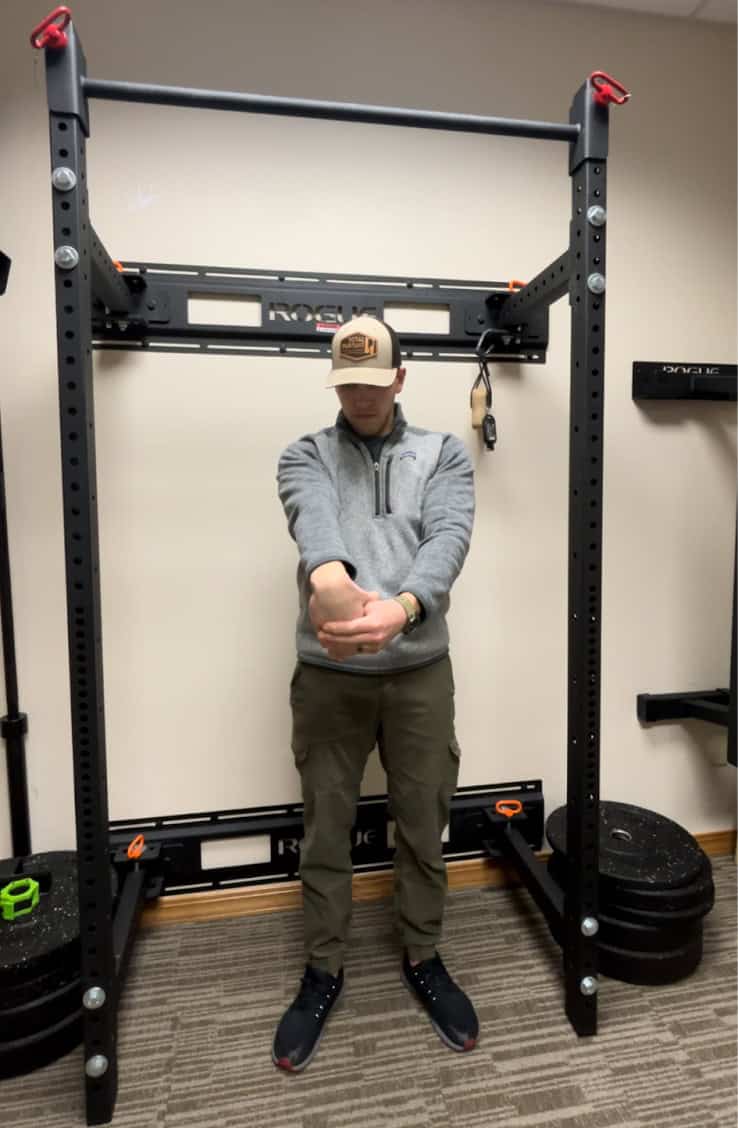
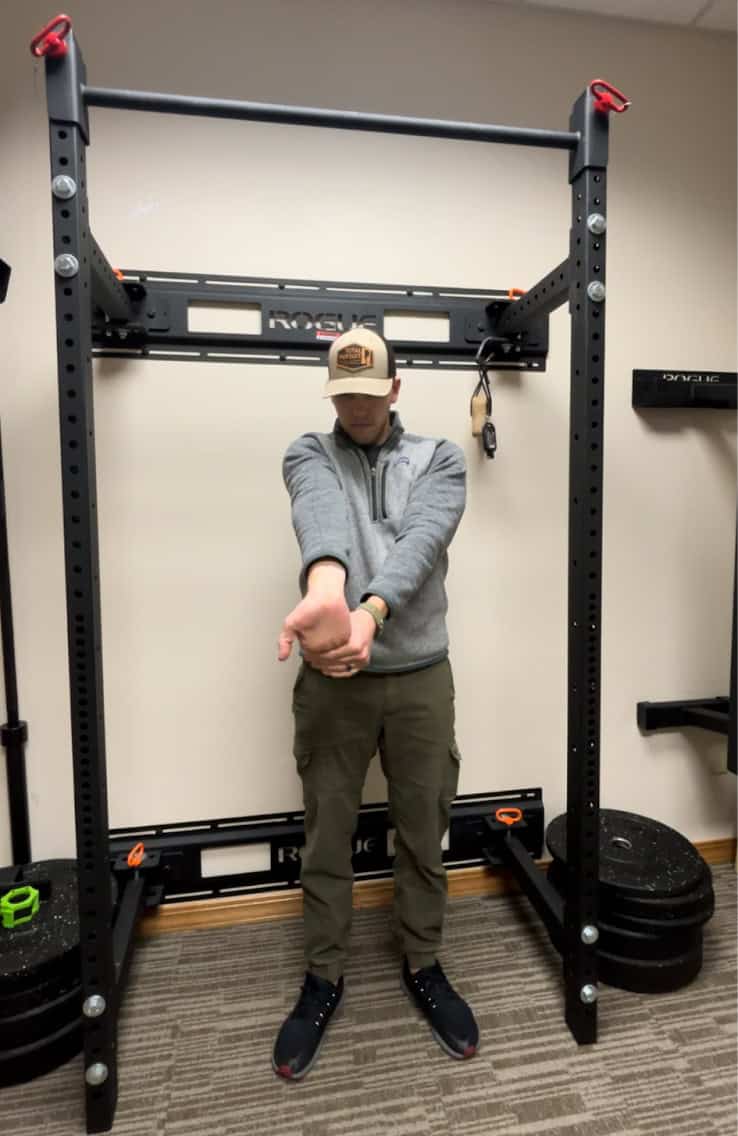
Pro Tip: Try positioning your arm in different positions of rotation or direction, such as rotating your forearm more up or down. The different starting tissue tension can more specifically target the tight muscle!
5. Focus on Whole-Body Movement
Lateral epicondylitis isn’t just about the elbow—it’s about how your whole body moves. If your shoulder, core, or wrist doesn’t work well together, it can add stress to your elbow. At Total Pursuit Physical Therapy, we use whole-body movement strategies to address these issues.
Training Tip: Practice exercises that involve your arm, core, and legs working together, like small twists or shoulder movements with light weights. This helps your elbow work as part of a team.
Heal Your Elbow with Total Pursuit Physical Therapy
Lateral epicondylitis can make simple tasks feel tough, but the right treatment can help you heal and move better. By focusing on tendon strength, functional movement, and stretching, you can reduce pain and get back to your favorite activities.
At Total Pursuit Physical Therapy & Performance, we’ll create a personalized plan to help you recover. Contact us today to start building strength, reducing pain, and feeling your best again!
Dr. Alex Hart, PT, DPT, FAFS