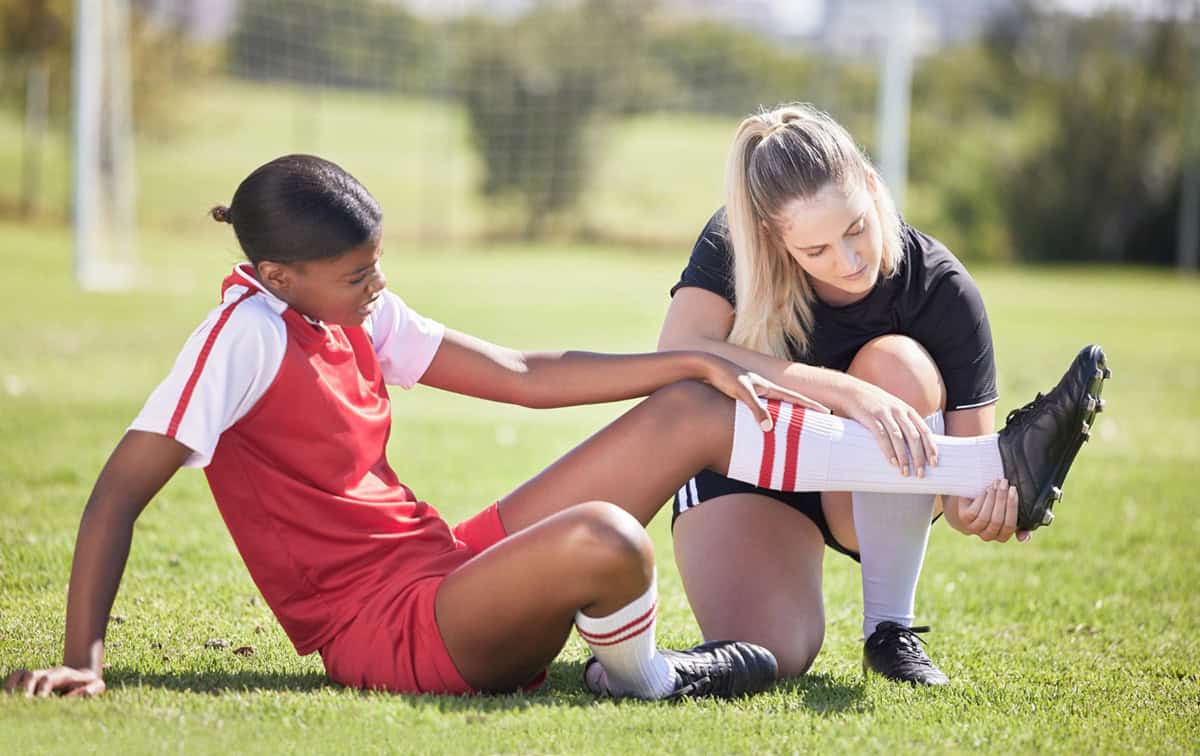
Sports injuries are a reality for athletes of all skill levels. Whether you’re searching for “sports injury treatment near me,” “sports injury treatment in De Pere,” or simply seeking to understand more about the recovery process, this guide provides valuable insights into managing and preventing sports injuries. Addressing injuries with the right treatment methods, therapies, and preventive measures can help athletes recover effectively and stay injury-free in the future. Let’s explore the types of sports injuries, their treatments, and essential strategies for recovery and prevention.
Common Types of Sports Injuries
Sports injuries range widely, affecting various body parts and occurring from sudden impacts or gradual overuse. Common injuries include sprains and strains, which involve overstretched or torn ligaments and muscles, often in the ankles, knees, and wrists. Fractures and stress fractures result from trauma or repetitive stress, commonly affecting runners and athletes in high-impact sports. Dislocations in joints like the shoulder can cause severe pain and deformity, while concussions impact cognitive and emotional health. Tendon issues, such as tennis elbow and rotator cuff tears, stem from repetitive motion. Knee injuries like ACL tears hinder mobility, and rare but severe spinal cord injuries can cause long-term impairment.
According to recent statistics, about 3.7 million people were treated in emergency rooms in 2023 for injuries related to sports and recreational activities. Activities such as exercise, cycling, and basketball are particularly associated with high injury rates. Recognizing these injuries promptly is key to effective treatment and recovery.
Acute vs. Chronic Sports Injuries
Sports injuries are classified as acute or chronic, with each category guiding specific prevention and treatment approaches.
- Acute injuries, such as ankle fractures, hip fractures, and ligament sprains, occur suddenly during activity. Immediate care using the R-I-C-E (rest, ice, compression, and elevation) method helps reduce pain and swelling, paving the way for further treatment like physical therapy or, in severe cases, surgery.
- Chronic injuries, on the other hand, develop gradually from repetitive motions, improper technique, or insufficient rest; they include conditions like stress fractures, muscle pulls, and tendinitis. These injuries often benefit from a mix of physical therapy, exercise therapy, and rest. Prompt treatment for both types is essential to avoid complications and ensure a smoother, faster recovery.
Specific Injuries and Symptoms
Recognizing symptoms of sports injuries is key to determining their severity and the appropriate treatment. Ankle sprains and fractures present with pain, swelling, and bruising, and severe cases may show deformity, requiring imaging tests like X-rays or CT scans. Rotator cuff tears cause pain, weakness, and restricted shoulder movement, often diagnosed through MRI. Concussions and traumatic brain injuries (TBIs) can result in headaches, dizziness, and cognitive issues, necessitating evaluation by sports medicine or emergency physicians. Stress fractures, typically in the feet or lower legs, cause localized pain and tenderness, with MRI aiding early detection and prevention of complications. Prompt assessment by sports injury or orthopedic specialists is essential for accurate diagnosis and effective treatment planning.
The Importance of Prompt Sports Injury Treatment
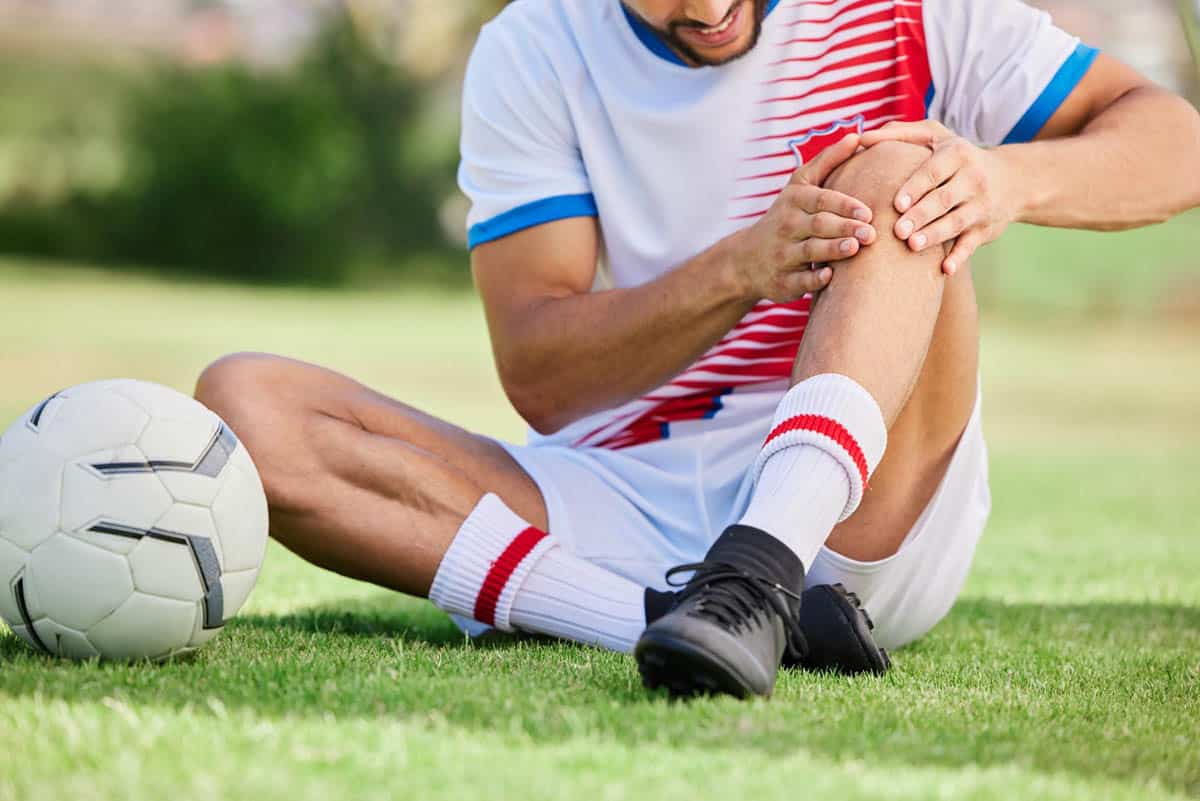
Seeking immediate treatment for sports injuries is crucial. Injury data shows that approximately 43% of athletes experience at least one injury per season, and many suffer multiple injuries. On average, each injury results in a loss of 17 days of training and often forces athletes to miss at least one competition. Ignoring or delaying treatment can lead to long-term issues that affect performance, mobility, and overall quality of life. Addressing these injuries promptly minimizes downtime and helps prevent recurring problems.
Risks of Delaying Treatment
Untreated injuries, even seemingly minor ones, can worsen, leading to chronic pain or permanent deformity. For instance, a mild ligament sprain can become a chronic instability issue, increasing the risk of repeated injury. Athletes who ignore symptoms may face more extensive treatments, like orthopedic surgery, later on.
Benefits of Early Intervention
Early intervention through sports injury treatment, including physical therapy, reduces the recovery timeline and minimizes future risks. Advanced diagnostic tools, such as X-rays, MRIs, and CT scans, allow physicians to assess the injury accurately. Prompt diagnosis facilitates the development of a comprehensive rehabilitation process, which may include electrotherapy, manual therapy, and functional training, designed to restore strength and functionality quickly.
Comprehensive Sports Injury Treatment Options
When it comes to sports injuries, there is no one-size-fits-all approach. A range of treatment options—from physical therapy to advanced surgical techniques—is available to address each unique injury. Understanding these options empowers athletes to make informed choices about their recovery journey.
Physical Therapy and Rehabilitation
Physical therapy is a cornerstone of sports injury rehabilitation. Physical therapists use exercises, electrotherapy, manual therapy, and proprioceptive training to restore strength, flexibility, and balance. The rehabilitation stages typically begin with gentle stretching and progress to conditioning exercises and functional training tailored to the sport.
Surgical vs. Non-Surgical Approaches
Not all injuries require surgery. Non-surgical treatments, including rest, immobilization with braces or slings, and anti-inflammatory medications, are effective for many injuries. However, severe injuries like ACL tears may necessitate orthopedic surgery or ACL reconstruction, followed by post-operative rehabilitation to ensure full recovery.
Advanced Techniques and Innovative Treatments
Recent advancements in sports injury treatment, such as PRP therapy, stem cell injections, and minimally invasive arthroscopy, are proving effective in accelerating recovery for tendon tears, ligament injuries, and joint issues. These innovative treatments enhance the body’s natural healing, providing faster results for those needing sport-specific rehabilitation.
The Sports Injury Treatment Process: What to Expect
Navigating the sports injury treatment process can be daunting, especially for athletes eager to get back to their sport. Knowing what to expect at each stage can help reduce uncertainty and prepare you for a successful recovery. From initial consultation to personalized treatment planning, each step is designed to support a smooth and effective return to physical activity.
Initial Consultation and Injury Assessment
The first step is a thorough physical exam and injury assessment, where orthopedic specialists may use advanced imaging tests like MRI or X-rays to evaluate the injury’s extent. Accurate diagnosis informs the treatment plan, which might involve a physiatrist, orthopedic surgeon, or sports medicine physician depending on the injury’s severity.
Personalized Treatment Planning and Goal Setting
Treatment plans are personalized based on the individual’s needs and fitness level. Goal setting, often a collaborative process with the physical therapist or athletic trainer, establishes milestones for mobility, strength, and return to activity, ensuring steady progress throughout the rehabilitation process.
Recovery Timeline and Progress Evaluation
Each injury has a unique recovery timeline, frequently assessed during physical therapy sessions. Regular progress evaluations, aided by conditioning exercises and range of motion tests, allow therapists to adjust treatment as needed, ensuring that athletes return to their sport safely and confidently.
Long-Term Injury Prevention and Maintenance
Effective sports injury prevention and treatment is just as crucial as managing injuries after they occur. By focusing on long-term injury prevention and maintenance, athletes can reduce their risk of recurring injuries and enhance their overall performance. Implementing strategies such as strengthening exercises, proper technique, and regular conditioning can make all the difference in sustaining an active lifestyle.
Conditioning and Strengthening Techniques
Strengthening muscles and conditioning the body reduces injury risk by enhancing stability and resilience. Regular exercise, including cardiovascular exercise, flexibility training, and strength training, fortifies the body against common sports injuries.
Proper Warm-Up and Cool-Down Practices
Effective warm-up and cool-down routines prepare the body for physical exertion and aid in recovery post-exercise. Practices like stretching, hydration, and using proper technique help prevent injuries by improving flexibility and reducing muscle tension.
When to Seek Professional Help for Sports Injuries
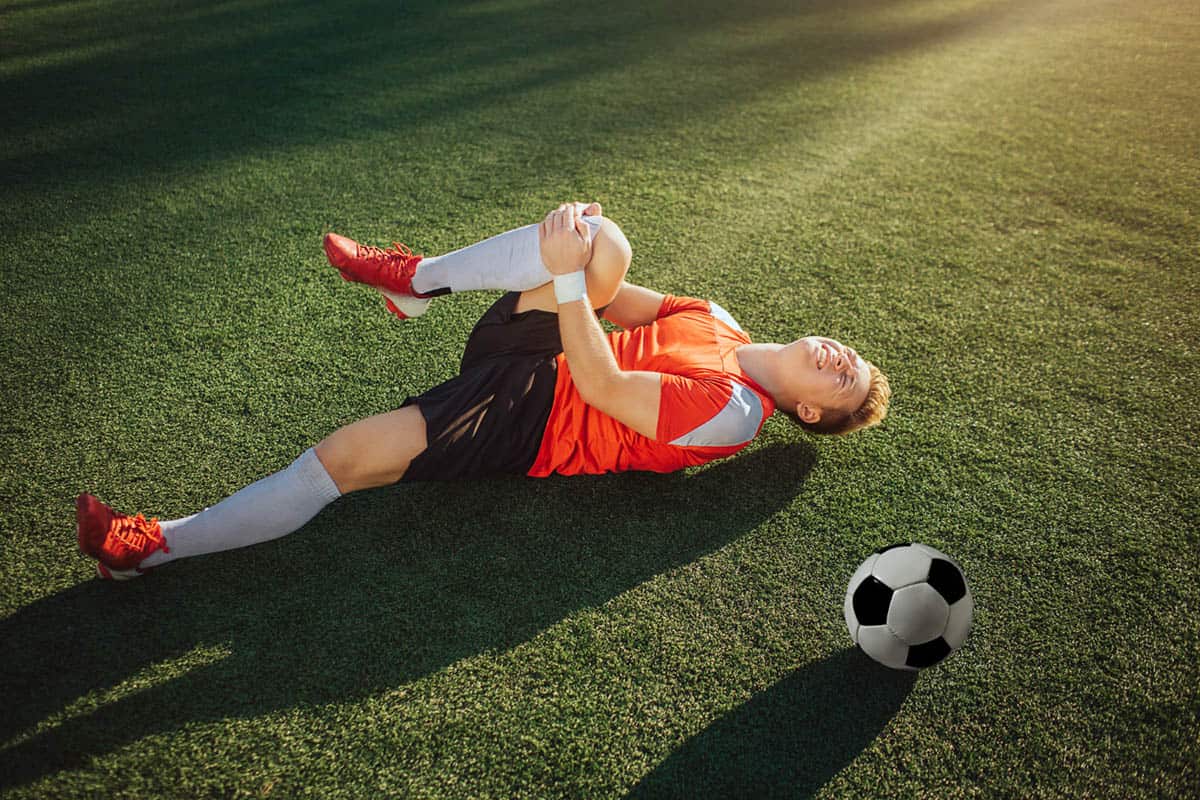
Recognizing when to seek professional help can prevent minor injuries from escalating. If symptoms like severe pain, visible deformity, or limited range of motion persist, consulting a sports injury specialist is essential. Additionally, signs of recurrent pain or swelling after activity warrant an evaluation by sports medicine professionals, who can recommend appropriate treatments or preventive measures.
At Total Pursuit Physical Therapy and Performance, we are dedicated to helping athletes and active individuals recover from sports injuries and achieve lasting performance improvements. Our expert team combines advanced therapy techniques with personalized care to address each client’s specific needs, whether recovering from an acute injury or managing a chronic condition. From injury prevention strategies to customized rehabilitation programs, we focus on getting you back to doing what you love safely and effectively. Ready to start your journey to recovery and peak performance? Request an appointment today to experience the Total Pursuit difference.
Conclusion
Sports injury treatment is essential for athletes and active individuals alike. Whether addressing acute injuries or managing chronic conditions, a personalized approach that combines timely medical care, physical therapy, and preventive strategies is critical to long-term health. From physical therapy to orthopedic surgery, understanding your options ensures a safe return to the sport you love.
FAQs
What is the process of treatment for sports injuries?
The treatment process includes an initial consultation with a sports injury specialist, diagnostic imaging (such as MRI or X-ray), and a tailored plan that may involve physical therapy, pain management, or surgery for severe injuries. Post-treatment evaluations monitor recovery progress.
What is the most effective treatment for sports injuries?
Effective treatments vary based on the injury type. For example, ankle fractures and ligament sprains benefit from immobilization and physical therapy, while more severe cases may need surgical intervention. Innovations like PRP therapy offer promising results for tendon injuries.
What is the best treatment for an injury?
The best treatment depends on prompt diagnosis, followed by a comprehensive plan that includes rest, physical therapy, and targeted interventions like hot and cold therapy, braces, or splints. Prevention strategies, such as conditioning exercises and using proper protective equipment, also play a key role.