Lower back pain is widespread, affecting millions of people every day due to factors such as prolonged sitting, poor posture, muscle imbalances, and physical strain. Whether dealing with occasional discomfort or chronic stiffness, incorporating the proper stretches into your routine can provide quick and effective back pain relief by easing tension, improving flexibility, and supporting spinal health. Stretching helps by improving flexibility, reducing muscle tension, enhancing circulation, and promoting better spinal alignment, all of which contribute to long-term back health. In this guide, we’ll walk you through eight simple yet powerful stretches you can do at home to ease lower back pain in minutes, helping you move more comfortably and prevent future discomfort.
What Causes Lower Back Pain?
Lower back pain is one of the most common musculoskeletal complaints, affecting millions of people due to various lifestyle and health factors. Back pain is a common and costly health problem, with more than 50% of adults bothered by it each year and 70% to 80% of adults afflicted by it at some time in their lives. Whether caused by prolonged sitting, poor posture, or an underlying condition, understanding the root of the pain is essential for effective relief and prevention. Lower back pain can result from various factors, including:
- Poor posture-Sitting or standing incorrectly can strain the muscles, leading to stiffness and discomfort in the lower back. Over time, poor posture can cause muscle imbalances and misalignment of the spine, increasing the risk of chronic pain.
- Muscle tightness or imbalances – Tight hamstrings, hip flexors, or weak core muscles can contribute to pain by placing extra stress on the lower back. When these muscles lack flexibility or strength, the spine compensates, which can lead to discomfort and injury.
- Sedentary lifestyle—Long hours of sitting weaken the back muscles, reducing their ability to support the spine properly. Lack of movement also decreases circulation, leading to stiffness and an increased risk of lower back pain.
- Injury or strain-Lifting heavy objects improperly or making sudden movements can cause discomfort by overstretching or tearing muscles and ligaments. If not properly managed, this can result in inflammation, limited mobility, and prolonged pain.
- Degenerative conditions – Arthritis, herniated discs, or spinal stenosis may lead to chronic back pain due to the gradual breakdown of spinal structures. These conditions can cause nerve compression, stiffness, and persistent discomfort, affecting daily activities.
Why Stretching Helps Reduce Pain and Stiffness
Stretching is a simple yet powerful way to relieve lower back pain by addressing muscle tightness, stiffness, and poor alignment. Performing regular stretches for lower back pain and stiffness helps loosen tight muscles that contribute to pain, allowing for a greater range of motion and reducing strain on the spine. Additionally, stretching enhances blood circulation, ensuring oxygen and nutrients reach the muscles to promote healing and reduce inflammation. Reducing stiffness helps prevent muscle spasms and improves overall mobility, making everyday movements more straightforward and comfortable. Lastly, stretching supports proper alignment by encouraging better posture and spinal health, which can prevent further pain and discomfort over time.
When to See a Physical Therapist for Back Pain
While stretching can relieve mild to moderate lower back pain, persistent or worsening symptoms may indicate an underlying issue that requires professional attention. If your pain lasts more than two weeks without improvement, it could be a sign of a more serious condition that needs targeted treatment. Additionally, numbness, tingling, or weakness in your legs may suggest nerve involvement, such as sciatica or a herniated disc, which a physical therapist should evaluate. Severe or increasing pain, mainly if it affects your daily activities, can indicate an injury or degenerative condition that needs medical intervention.
Seeking help from a professional at Total Pursuit Physical Therapy & Performance ensures you receive a personalized treatment plan tailored to your specific needs. A physical therapist can identify the root cause of your pain, guide you through corrective exercises, and implement hands-on therapies to restore mobility and strength. If you’re looking for expert care, you can request an appointment with a licensed physical therapist to start your recovery journey. They can also provide preventative strategies to help you maintain a healthy spine and avoid recurring discomfort, making professional care essential for long-term relief and recovery.
8 Best Stretches for Lower Back Pain Relief

Whether you’re experiencing stiffness from prolonged sitting or soreness from physical activity, stretching can provide immediate relief for lower back pain. These eight simple yet effective stretches for lower back pain from sitting focus on loosening tight muscles, improving flexibility, and promoting better spinal alignment to help you feel better in just minutes.
1. Knee-to-Chest Stretch
This gentle stretch helps lengthen the lower back muscles and relieve built-up tension. Pulling the knee toward the chest also promotes spinal flexibility and can ease discomfort caused by prolonged sitting.
How to Do It:
- Lie on your back with your knees bent and feet flat on the floor.
- Bring one knee up to your chest, holding it with both hands.
- Keep the other foot planted, or extend the leg for a deeper stretch.
- Hold for 20–30 seconds, then switch legs.
- Repeat 2–3 times per leg.
Benefits:
- Reduces tension in the lower back.
- Improves spinal flexibility.
2. Lower Back Rotational Stretch
Rotating the lower body while keeping the upper back stable helps improve spinal mobility and reduce stiffness. This stretch is particularly effective for relieving tension in the lower back and improving overall flexibility.
How to Do It:
- Lie on your back with your knees bent and feet flat on the floor.
- Slowly rotate both knees to one side while keeping your shoulders on the ground.
- Hold for 15–20 seconds, then return to the center.
- Repeat on the other side.
- Perform 2–3 times per side.
Benefits:
- Increases spinal flexibility.
- Eases lower back stiffness.
3. Cat-Cow Stretch
The Cat-Cow stretch enhances spinal flexibility by rounding and arching the back. It also promotes better posture and increases circulation to the muscles surrounding the spine.
How to Do It:
- Get on all fours with hands under shoulders and knees under hips.
- Inhale, arch your back and look up (Cow Pose).
- Exhale, round your spine, and tuck your chin (Cat Pose).
- Repeat for 30 seconds to 1 minute.
Benefits:
- Enhances spinal mobility.
- Relieves tension in the back and neck.
4. Seated Forward Fold (Hamstring Stretch)
Tight hamstrings can contribute to lower back pain, and this stretch helps lengthen them while relieving tension in the lower back. Reaching forward while keeping a straight back can improve overall flexibility and spinal alignment.
How to Do It:
- Sit with legs extended straight.
- Reach for your toes while keeping your back straight.
- Hold for 20–30 seconds, then relax.
- Repeat 2–3 times.
Benefits:
- Stretches the hamstrings and lower back.
- Improves overall flexibility.
5. Pelvic Tilt Exercise
Pelvic tilts strengthen the lower back and core muscles while improving spinal mobility. This simple yet effective movement helps reduce stiffness and supports proper posture.
How to Do It:
- Lie on your back with your knees bent and feet flat.
- Tighten your abdominal muscles and press your lower back into the floor.
- Hold for 5–10 seconds, then relax.
- Repeat 10 times.
Benefits:
- Strengthens core and lower back.
- Reduces lower back stiffness.
6. Child’s Pose Stretch
A relaxing stretch, Child’s Pose gently elongates the lower back and promotes deep breathing, reducing stress and tension. It also helps open up the hips and improves overall spinal flexibility.
How to Do It:
- Kneel on the floor with toes together and knees apart.
- Extend your arms forward and lower your chest toward the ground.
- Hold for 30 seconds to 1 minute.
Benefits:
- Relieves lower back tension.
- Promotes relaxation and flexibility.
7. Standing Back Bend Stretch
This stretch counteracts the effects of prolonged sitting by opening up the front of the body and gently extending the spine. It helps improve posture and reduce stiffness in the lower back.
How to Do It:
- Stand tall with your hands on your lower back.
- Slowly lean backward, looking upward.
- Hold for 5–10 seconds, then return to standing.
- Repeat 5 times.
Benefits:
- Alleviates stiffness from prolonged sitting.
- Improves spinal mobility.
8. Supine Spinal Twist Stretch
The Supine Spinal Twist relieves lower back tightness by gently stretching the spine and surrounding muscles. It also helps improve hip flexibility and reduce tension in the lower back.
How to Do It:
- Lie on your back with arms extended to the sides.
- Bring one knee to your chest and cross it to the opposite side.
- Hold for 20–30 seconds, then switch sides.
- Repeat 2–3 times per side.
Benefits:
- Enhances spinal mobility.
- Relieves tension in the lower back and hips.
Tips for Safe and Effective Stretching
Proper technique and consistency are essential to getting the most out of your stretching routine. These safe and effective stretches for lower back pain will help you maximize flexibility, prevent injuries, and relieve discomfort more efficiently.
- Hold each stretch for 20–30 seconds and avoid bouncing.
- Perform stretches 1–2 times daily for best results.
- Modify as needed if you have limited mobility or discomfort.
- Listen to your body—stop if a stretch causes pain.
The Role of Strengthening Exercises in Back Pain Relief
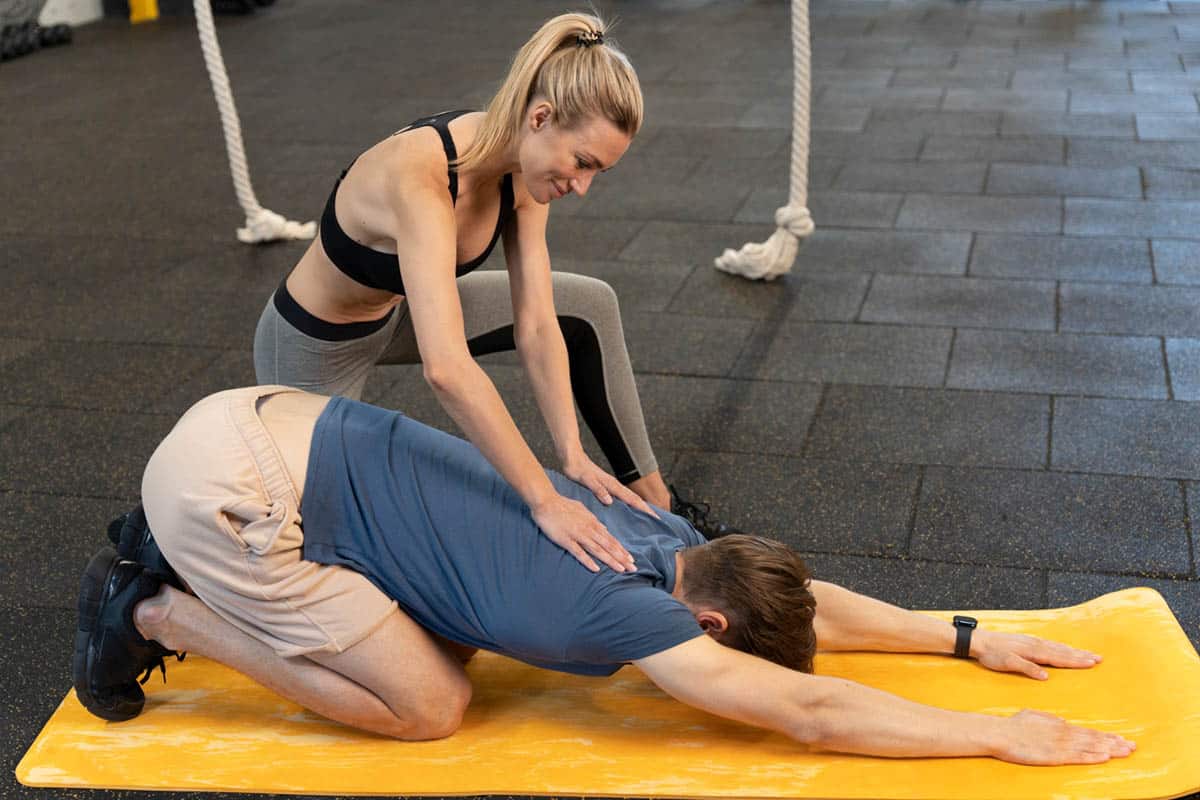
While stretching helps alleviate pain, incorporating strengthening exercises is crucial for long-term relief. Core and lower back strength significantly affect spinal stability and posture.
In addition to stretching, simple strengthening exercises can provide long-term relief by improving back stability and support. Bridges help strengthen the glutes and lower back, reducing strain on the spine and improving posture. Planks engage the core muscles, crucial in supporting the lower back and preventing excessive pressure on the spine. The Bird-Dog exercise enhances stability and coordination by activating the core and lower back muscles, promoting better spinal alignment. Regularly performing these exercises can build strength, reduce pain, and improve overall back health.
Research has found that exercises like tai chi, yoga, Pilates, and core strengthening can significantly help people with chronic lower back pain.
Conclusion
Lower back pain doesn’t have to disrupt your daily life. By incorporating these eight simple stretches, you can effectively relieve tension, improve flexibility, and reduce stiffness in just a few minutes daily. Consistency is key—regular stretching, proper posture, and strengthening exercises can help prevent future discomfort and support long-term spinal health. However, if your pain persists or worsens, seeking professional guidance can ensure you receive the proper treatment and care tailored to your needs.
FAQs
How often should I do these stretches for lower back pain?
For best results, perform these stretches once or twice daily to keep your muscles flexible and reduce tension. Consistency is key to relieving stiffness, improving mobility, and preventing future discomfort.
Can stretching alone cure lower back pain?
While stretching provides temporary relief, it should be combined with strengthening exercises, proper posture, and movement habits for long-term back health. A balanced approach helps prevent recurring pain and supports overall spinal stability.
What if my back pain worsens after stretching?
If you experience increased pain, stop the stretch immediately and avoid forcing movements that cause discomfort. Consulting a healthcare professional or physical therapist can help identify the root cause of your pain and provide a safe, effective treatment plan.