Shoulder impingement, though often overlooked, can wreak havoc on daily activities, from reaching for items on a high shelf to swinging a tennis racket. But fear not! With the right approach, such as physical therapy, relief is within reach.
What Is Shoulder Impingement?
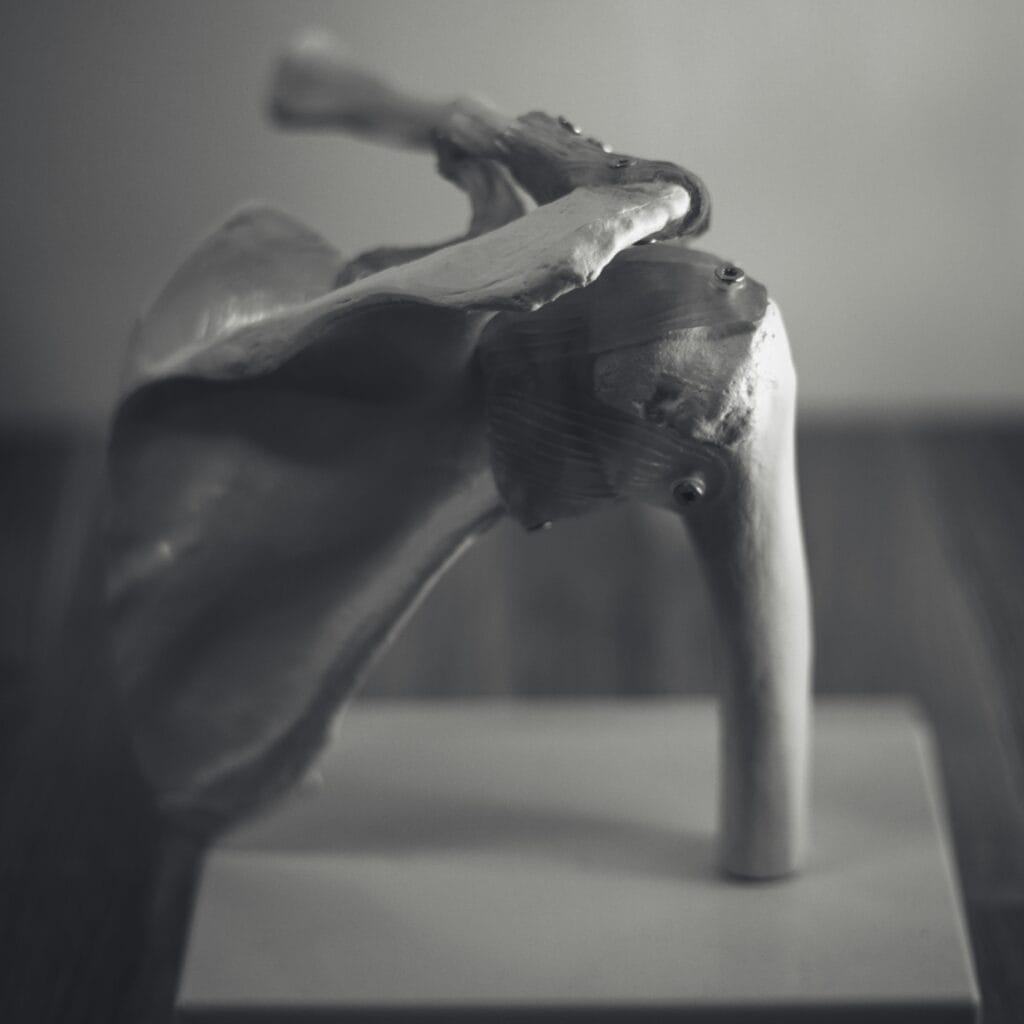
“Shoulder impingement” is a blanket term for a pinching sensation felt in the top of the shoulder when raising your arm overhead. This occurs when structures like tendons and bursa become irritated and inflamed, hindering movement and causing pain. If you’ve ever bitten your cheek while chewing, you know it can get a bit swollen and then you end up biting it again because it starts to get in the way! Well, that is essentially what is happening in the shoulder.
Causes of Shoulder Impingement
Several factors like repetitive overhead movements, poor posture, and muscle imbalances can contribute to shoulder impingement. Over time, these issues can lead to inflammation of the soft tissues in the shoulder, exacerbating the pain.
Prevalence Shoulder Impingement
Shoulder impingement affects millions worldwide, especially athletes involved in sports with repetitive overhead motion. However, it can also arise from everyday activities or occupations that involve frequent reaching or lifting.
Can Physical Therapy Help With Shoulder Impingement?
Physical therapy emerges as the premier first line of defense in the realm of shoulder impingement. Through targeted exercises, manual therapy techniques, and tailored treatment plans, your doctor of physical therapy will address root causes, promote healing, and restore function without invasive procedures.
The Evidence: PT vs. Surgery For Shoulder Impingement
Research favors physical therapy over surgery for shoulder impingement. Studies show that physical therapy offers comparable long-term outcomes with fewer risks and recovery time. In fact, a study published in the Journal of Shoulder and Elbow Surgery found that patients who underwent physical therapy for shoulder impingement experienced significant improvements in pain and function that lasted over the long term. Meanwhile, another study in the Journal of Bone & Joint Surgery revealed that subacromial decompression surgery offered no additional benefit over a structured exercise program in the treatment of shoulder impingement.
The Bottom Line: What Should I Do About Shoulder Impingement?
When it comes to shoulder impingement, physical therapy emerges as a safe, effective, and non-invasive solution. By addressing the underlying issues, promoting healing, and restoring optimal function, your doctor of physical therapy will empower you to reclaim your shoulder health so that you can live life to the fullest. Click HERE to for a free consultation, and to learn more about how we can help you achieve optimal shoulder function.
Remember, with the right approach, relief from shoulder impingement is achievable. Take the first step towards a pain-free future by scheduling your consultation now. Your shoulders will thank you!
Sources
- Brox, Jens Ivar, et al. “Arthroscopic surgery versus supervised exercises in patients with rotator cuff disease (stage II impingement syndrome): a prospective, randomized, controlled study in 125 patients with a 2 1/2-year follow-up.” The Journal of Bone & Joint Surgery 87.3 (2005): 125-132.
- Haahr, Jens P., et al. “Subacromial decompression versus diagnostic arthroscopy for shoulder impingement: randomised, placebo surgery controlled clinical trial.” Bmj 338 (2009): a2653.
- Kromer, T. Oliver, et al. “Long-term effects of supervised physical training in secondary prevention of low back pain.” European Spine Journal 20.5 (2011): 672-679.
- Kuhn, John E., et al. “Effectiveness of physical therapy in treating atraumatic full-thickness rotator cuff tears: a multicenter prospective cohort study.” The Journal of Shoulder and Elbow Surgery 24.11 (2015): 1860-1870.
- Lewis, Jeremy S., et al. “Subacromial decompression does not provide additional benefit to patients with rotator cuff tears in the presence of bursitis.” The American journal of sports medicine 45.1 (2017): 68-73.