Knee pain is a common complaint amongst outdoor enthusiasts, but what exactly is causing the pain in your knee? There are many structures in and around the knee that can be pain generators, but what I want to focus on in this post is something called the meniscus. Many people have heard of the meniscus before, but what exactly is it, and how can you tell if it is the culprit of your pain?
The meniscus is a thick piece of cartilage that sits between your thigh bone (femur) and your shin bone (tibia). Its role is to provide extra cushioning and congruency to your knee. Injuries to the meniscus can either be acute or chronic. Acute injuries generally occur during a twisting motion of the knee, such as what may be sustained with hiking, backcountry hunting, or during training. You may notice increased swelling about 24 hours or so after an acute meniscus injury. Chronic injuries on the other hand, can occur over time. These are generally considered to be “wear and tear” type injuries.
So how to know if you have a meniscus injury? Well, there are a few tell-tale signs:
-
You have locking or catching of the knee. If your knee feels “caught” at times or doesn’t want to straighten all the way out, you may have a meniscus injury
-
Your knee gives out, or feels like it is going to give out on occasion. This is especially common during eccentric motions, such as going down the stairs.
-
You have pain with twisting or pivoting
-
It’s painful to straighten your knee all the way out, or to bend it all the way
So, maybe you have a meniscus injury. Does this mean you are destined for surgery? Does this mean that your western hunt needs to be cancelled this fall? Absolutely not! In fact recent studies have shown no difference in outcomes after 12 weeks of intensive physical therapy versus arthroscopic meniscectomy. This is especially true in people with degenerative meniscal tears, who may not be experiencing severe locking or giving way of the knee.
If you suspect you have a meniscus injury, the primary focus should be on minimizing swelling, controlling pain, restoring full knee range of motion, and reducing quadriceps muscle atrophy by implementing some light strength training. You should avoid squatting, pivoting, running, and jumping until pain and swelling are resolved, and strength is restored. THEN, you can safely begin to implement these things back into your training regimen. You should also schedule an appointment with your physical therapist to make sure you know the cause of your knee pain. In the meantime, here are 5 great exercises to reduce knee pain and swelling, maintain muscle activation, and maintain knee range of motion:
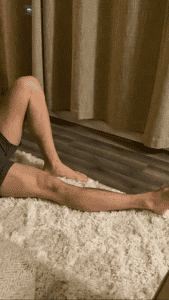
Meniscus Injury Exercise 1
Quad Sets: 15 reps, 3 times per day
-
Begin sitting with your leg out in front of you, knee straight
-
Squeeze the thigh muscles until you feel your leg tense up. Think about trying to push the back of your knee down into the floor
-
Hold for 10 seconds, relax, repeat.

Meniscus Injury Exercise 2
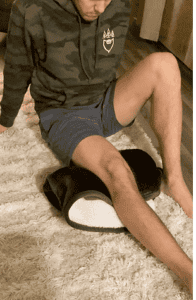
Short Arc Quads: 15 reps, 2 times per day
-
Begin sitting with your leg out in front of you, knee bent over a towel roll
-
Straighten your knee fully, squeeze the thigh muscles and hold
-
Hold for 10 seconds, slowly relax, repeat

Meniscus Injury Exercise 3
Long Arc Quads: 10-15 reps, 2 times per day
-
Begin sitting at the edge of a chair or bed with your knee bent and hanging over the edge
-
Straighten your knee fully, squeeze the thigh muscles and hold
-
Hold for 10 seconds, slowly relax, repeat


Meniscus Injury Exercise 4
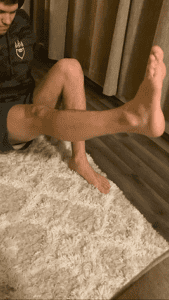
Straight leg raises: 5-10 reps, 2 second raises, 2 second lowers,
-
Begin sitting with your leg out in front of you, knee straight
-
Squeeze your thigh muscle to stiffen your leg, then raise it off the ground
-
Pause for one second and slowly lower back toward the ground

Meniscus Injury Exercise 5
Heel slides: 10 reps ,2-3 times per day
-
From a seated position, slowly slide your heel toward your butt, bending your knee as much as you can
-
Be sure to avoid pushing into pain, as this may worsen symptoms by increasing swelling and irritation within the knee


Disclaimer- For information and educational purposes only. The above content is not intended as medical advice.
If you want more information on how we can help you reduce pain and improve your ability to enjoy all of your life’s pursuits without unnecessary medications, injections, or surgery, click HERE to set up a free, no strings attached phone consult where we will talk through your goals and determine if we are a good fit to work together!
About the Author:
As a doctor of physical therapy, my role in healthcare is to diagnose and treat injuries of the musculoskeletal system, assess movement, and optimize performance. My passion is to help outdoor enthusiasts maintain and enhance their active lifestyle without unnecessary medications, injections, or surgery.
Whether you are gearing up for the hunt of a lifetime, recovering from a climbing injury, or just trying to keep up with your grandkids, everyone is in pursuit of something. I am here to help you achieve your goals and return to living the life that you desire.
-Matt Buch, PT, DPT, OCS