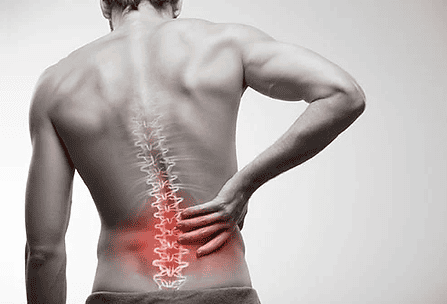
Roughly 80% of people will experience low back pain at some point in their life. In fact, low back pain is so common that the United States alone spends about $90 BILLION per year on treating it! I see a lot of patients with low back pain, and one way I often hear them describe their symptoms is, “I threw out my back.” So what is “throwing out your back” anyways? To be totally honest, I am not quite sure where the term came from, as you back has not actually been thrown anywhere. In fact, there more than likely is no significant structural change to your back at all. What most people are experiencing is a strain of the back, and/or spasming of the muscles that run parallel to your spine, called the paraspinals. This may be accompanied by inflammation in your back, further intensifying the pain. Causes can range from lifting a heavy object with poor form, to simply sleeping in an awkward position. Although this can be excruciatingly painful and debilitating, it is not a medical emergency. Signs of this may be:
-
Intense pain in your mid or low back
-
Stiffness
-
Inability to bend
-
Muscle spasms
-
Inability to find a comfortable position
So what do you do if you experience these symptoms? Here are some steps that may be beneficial if you “threw out your back”:
-
Ice: Apply ice to the painful area for 20 minutes at a time, every one to two hours for 1-3 days after your initial injury. This will help reduce inflammation and pain.
-
Heat: After the initial inflammatory period of 1-3 days, heat will likely be more comfortable and will help with maintaining mobility and muscle relaxation.
-
Active rest: While it is important to get some rest and avoid seriously painful activities, complete rest should be discouraged. Make sure to keep moving as much as you comfortably can.
-
See a healthcare: professional, such as a physical therapist, if your pain does not get better in a few weeks. Your physical therapist can use manual techniques such as joint manipulation, soft tissue mobilization, or dry needling to help alleviate pain and reduce muscle tension. They can also teach you a specific stretching and exercise regimen to help you self-manage your symptoms and prevent future episodes.
Another thing to note, if you are experiencing progressive numbness or weakness in your legs, abnormal bowel or bladder function, sexual dysfunction, fevers, or any other symptoms that just don’t make sense, call your physician as soon as possible or get yourself to an emergency department, as these are symptoms that may indicate something more serious.
If you want more information on how we can help you reduce pain and improve your ability to enjoy all of your life’s pursuits without unnecessary medications, injections, or surgery, click HERE to set up a free, no strings attached phone consult where we will talk through your goals and determine if we are a good fit to work together!
Disclaimer- For information and educational purposes only. The above content is not intended as medical advice.