When Dry Needling Makes Headlines: What T.J. Watt’s Injury Really Means
You may have seen the headlines: NFL star T.J. Watt suffered a lung injury after a dry needling session. It’s a scary story that raises an important question for anyone considering this treatment — especially athletes with high performance goals.
Is dry needling actually safe?
The short answer is yes — when it’s done by a highly trained professional. But like any intervention, it comes with some risks, and the more you understand them, the better equipped you are to make the right decision for your body.
Let’s break it down simply: what dry needling is, what can go wrong, how rare serious complications are, and what you should look for in a provider.
What Is Dry Needling?
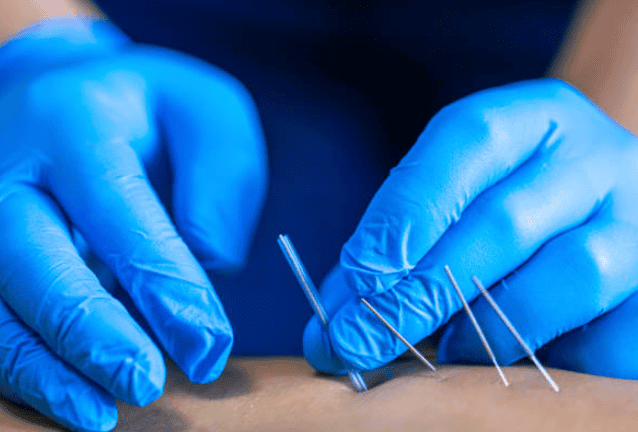
Dry needling is a technique used by physical therapists to treat muscular pain and dysfunction. It involves inserting thin, sterile needles into trigger points (tight, painful muscle knots) to stimulate healing, reduce tension, and restore normal movement.
It’s commonly used for:
- Persistent muscle tightness
- Pain that hasn’t improved with stretching or massage
- Improving range of motion
- Accelerating recovery after overuse or injury
Dry needling can be extremely effective — but precision matters.
What Most People Think (and What They Miss)
Most people assume dry needling is a low-risk, routine technique. And in many cases, it is. Side effects are usually mild:
- Soreness
- Slight bleeding
- Occasional bruising
But serious risks, while rare, are possible — and they’re worth knowing.
Pneumothorax: The Most Serious Dry Needling Risk
A pneumothorax (collapsed lung) happens when a needle accidentally punctures the lung lining, causing air to leak into the chest cavity. It’s serious — and exactly what reportedly happened to T.J. Watt.
So how often does this happen?
- It’s extremely rare. Millions of dry needling treatments are performed each year, and pneumothorax has been reported in fewer than 1 in 10,000 sessions, a tiny fraction of complications when dry needling is performed by trained clinicians.
- The risk is highest when needling near the upper back, shoulders, or chest — areas where lung tissue lies close to the surface.
This is why training, anatomy knowledge, and expert technique matter so much.
Who’s Most at Risk?
You may be at slightly higher risk if:
- You’re receiving dry needling in areas near the ribcage, traps, or thoracic spine
- You have a very lean or muscular build (less tissue between skin and lung)
- The provider uses poor technique or lacks proper training
But when performed correctly, dry needling is overwhelmingly safe.
How to Choose a Safe, Qualified Provider
Here’s what to look for:
- Professional credentials: Physical therapists should have advanced training in dry needling.
- Clinical experience: Years of anatomy-based hands-on experience makes a difference.
- One-on-one care: You want full attention, not rushed treatments in a high-volume clinic.
- Clear communication: A good provider explains what they’re doing and why.
Never be afraid to ask where and how your therapist was trained.
Why Total Pursuit Is the Safest Place for Dry Needling in Green Bay
At Total Pursuit Physical Therapy & Performance, we treat dry needling with the professionalism and precision it deserves:
- Our therapists are fully certified and trained in dry needling safety and technique.
- We use it only when clinically appropriate and with full patient consent.
- Every session is one-on-one, ensuring your safety, comfort, and trust.
We know the anatomy. We understand the risk. And we prioritize your performance and protection every time.
Real Results: When Safety Meets Strategy
One of our clients, a 42-year-old runner from De Pere, came to us with chronic upper back tension that limited her breathing and pace. After a full assessment, we used dry needling — cautiously and intentionally — in conjunction with breathing drills and thoracic mobility work.
The result? Full return to pain-free running within two weeks.
That’s what happens when dry needling is done right.
Final Thoughts: Knowledge Is Power (and Safety)
Dry needling can be a game-changer for pain and performance — but only in the right hands. Scary headlines like T.J. Watt’s are rare, but they underscore a vital truth:
Your provider matters.
If you’re in the Green Bay area and want to explore dry needling with a team that puts your safety first, let’s talk.
Book a 1-on-1 session with Total Pursuit and see the difference professional care makes.