Plantar fasciitis is a common yet challenging condition that affects thousands of people, often causing debilitating heel pain and affecting daily activities. This guide will walk you through the symptoms, traditional treatments, and how an innovative option—dry needling for plantar fasciitis—might be the relief you’ve been seeking. If you’ve been wondering, “does dry needling work for plantar fasciitis?” or are searching for dry needling near me, this article will answer your questions.
What Is Plantar Fasciitis?
Plantar fasciitis is characterized by inflammation of the plantar fascia, a thick band of tissue that supports the arch of the foot. This inflammation typically results in a sharp pain, especially near the heel. The plantar fascia is essential for absorbing shock and stabilizing the foot, but it can be compromised by factors like abnormal foot mechanics, age, or injury.
Plantar fasciitis is a widespread condition, accounting for approximately 10% of injuries among runners and affecting around 10% of the general population. Among individuals requiring professional care for foot symptoms, plantar fasciitis represents 11% to 15% of cases. Notably, about 83% of these cases occur in active working adults aged 25 to 65, underscoring how common it is among people with active lifestyles or demanding professions.
Common Causes and Risk Factors
Several factors contribute to the development of plantar fasciitis, ranging from physical conditions to daily activities. Abnormal walking patterns and issues in foot mechanics can place excess pressure on the plantar fascia, leading to inflammation. Additionally, tightness in the calf muscles and hamstrings increases strain on the fascia, while specific foot shapes, such as flat feet or high arches, can affect how pressure is distributed across the plantar area, heightening susceptibility to pain and injury.
People in occupations that require prolonged standing or walking on hard surfaces are also at greater risk of developing plantar fasciitis. Obesity further exacerbates this risk by adding additional weight, which places constant stress on the plantar fascia and leads to overuse. Repetitive activities like running can create microtears in the tissue, especially when performed without adequate recovery time, leading to ongoing irritation and worsening of the condition.
Recognizing the Symptoms
Pain from plantar fasciitis is usually most severe during the first few steps in the morning. It may decrease with movement but often returns after periods of rest or extended walking. Knee pain or discomfort in nearby muscles can also develop due to compensatory walking patterns, as individuals try to avoid direct heel pressure.
Traditional Treatment Methods for Plantar Fasciitis
Before exploring advanced treatments, many people begin with traditional options to relieve plantar fasciitis symptoms. Conventional treatments like stretching exercises, orthotics, and medications provide a foundation for healing and pain management. Here, we cover the standard methods commonly used to treat plantar fasciitis and their benefits.
Stretching Exercises and Physical Therapy
Stretching exercises are essential in reducing tightness in the calf muscles and the plantar fascia itself. These may include calf stretches, towel stretches, or specific exercises focused on improving flexibility and range of motion. Physical therapy techniques often include manual therapy, ultrasound, and ice application to aid in reducing inflammation and promoting healing.
Orthotics and Footwear Modifications
Proper footwear that offers adequate arch support and cushioning is crucial. Orthotics, which may be custom-made or over-the-counter, can provide added support to improve foot mechanics and relieve plantar fascia strain. A physical therapist or podiatrist may recommend orthotic inserts, especially for those with flat feet or high arches.
Medications and Injections
Over-the-counter NSAIDs, such as ibuprofen, can help manage pain and reduce inflammation. In more severe cases, corticosteroid injections may be recommended. However, these should be used cautiously, as repeated injections could weaken the plantar fascia, leading to potential re-injury or muscle imbalances.
Exploring Dry Needling as a Treatment Option

For patients seeking alternatives to traditional treatments, dry needling for plantar fasciitis has emerged as a highly effective modality. If you’re in the De Pere or Green Bay area, finding dry needling near me may open doors to this innovative treatment option.
What Is Dry Needling?
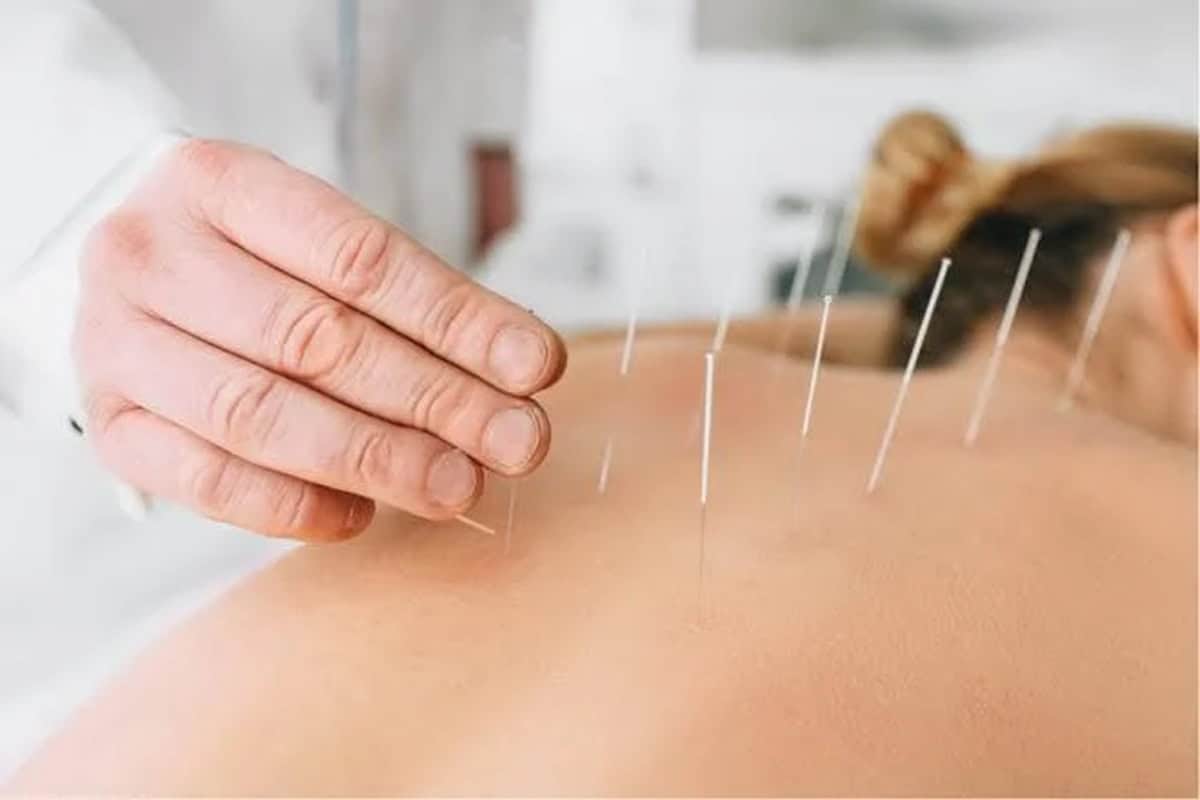
Dry needling involves the insertion of fine, filiform needles into specific myofascial trigger points in the muscle tissue. By targeting these points, dry needling modality releases tension, improves blood flow, and stimulates a healing response in affected muscles. It is different from acupuncture in that it focuses on musculoskeletal pain and dysfunction rather than energy channels.
How Dry Needling Targets Plantar Fasciitis
In the treatment of plantar fasciitis, needle placement targets trigger points in the calf muscles, quadratus plantae muscle, and abductor hallucis. By releasing tight muscle bands and improving blood circulation, dry needling helps reduce strain on the plantar fascia, allowing it to heal more effectively. Additionally, this technique can stimulate a relaxation response in muscles, helping to relieve muscle stiffness.
Benefits of Dry Needling for Plantar Fasciitis
The benefits of dry needling include localized pain relief, decreased muscle tightness, and improved oxygen saturation in the affected tissue, which promotes faster healing. By releasing tight muscles, dry needling also enhances range of motion and function, allowing patients to resume daily activities sooner. Furthermore, as part of an overall treatment plan, it can prevent re-injury by addressing underlying muscle imbalances.
The Dry Needling Procedure for Plantar Fasciitis
Dry needling is generally a safe procedure when performed by licensed physical therapists. It is crucial, however, to understand what happens during a session and the post-treatment care involved.
What to Expect During a Session
During a typical treatment session, the therapist inserts sterile needles into specific trigger points in the plantar fascia, calf muscles, and other targeted areas. Some clinics, such as those in De Pere and Green Bay, may offer additional options like electrical stimulation to increase the treatment effectiveness further. Patients may experience a “twitch” response as the muscle releases, often followed by a sense of relief.
Post-Treatment Care and Recovery
After dry needling, mild soreness can occur, similar to post-workout muscle aches. Ice therapy and gentle stretching exercises may help alleviate any discomfort. Patients are usually advised to avoid intense activities for a short period to allow for the acute healing period, during which muscles recover, and inflammation subsides. Over time, with consistent therapy and recovery practices, patients experience significant improvements in foot pain and function.
Evidence Supporting Dry Needling for Plantar Fasciitis
Dry needling for plantar fasciitis has gained attention due to emerging research supporting its effectiveness. Numerous studies and clinical trials highlight its benefits in pain relief and functional improvement. Reviewing this evidence can help you understand how dry needling compares to other treatment options and why it’s gaining popularity.
Research indicates that dry needling therapy (DNT) is particularly effective for plantar fasciitis when combined with stretching exercises rather than performed alone. While DNT can provide targeted relief, additional research is necessary to fully determine its long-term effectiveness for heel pain. This combination approach may offer promising results for those seeking non-invasive relief options.
Review of Recent Studies and Findings
Research, including randomized control trials and systematic reviews, demonstrates that dry needling can significantly reduce pain and improve function in patients with chronic plantar fasciitis. Some studies indicate that the technique provides faster and more sustainable pain relief compared to traditional treatments alone, supporting its integration into comprehensive care.
Comparing Dry Needling to Other Treatments
When compared to stretching exercises, orthotics, and injections, dry needling often yields quicker improvements in pain relief. However, combining dry needling with traditional physical therapy, such as stretching exercises and manual therapy, tends to offer the most comprehensive benefits.
Is Dry Needling Right for You?
Not everyone is a candidate for dry needling, and determining its suitability requires a careful assessment. Factors such as personal health conditions, specific plantar fasciitis symptoms, and previous treatment responses can all influence this decision. Consulting with a physical therapist can help you evaluate if dry needling fits your individual needs.
One study highlights that trigger point dry needling can be a valuable alternative for managing heel pain severity, offering potential relief before considering more invasive treatments for plantar fasciitis. However, while it has shown effectiveness in pain reduction, it may have limited impact on increasing ankle joint range of motion, making it ideal for pain management but not for restoring flexibility.
Assessing Suitability Based on Individual Conditions
If you have been diagnosed with plantar fasciitis and are struggling with persistent pain, dry needling might be an ideal addition to your treatment plan. Speak with a licensed healthcare provider or physical therapist to assess your specific condition, taking into account any musculoskeletal conditions, past injuries, or pain in other areas, like knee pain.
Consulting with a Physical Therapist
Consulting with a physical therapist is essential to create an effective treatment strategy. They can assess your diagnostic criteria for plantar fasciitis, determine if dry needling is suitable, and ensure safe practices. Look for a provider with significant experience, specialized post-graduate training, and necessary credentials to guarantee quality care and optimal results.
Integrating Dry Needling into a Comprehensive Treatment Plan
While dry needling is effective on its own, combining it with other treatments can enhance overall recovery. A comprehensive approach addresses multiple aspects of plantar fasciitis, including underlying muscle imbalances and lifestyle factors. Here’s how dry needling can complement other therapies for optimal results.
Combining Therapies for Optimal Results
When combined with strengthening exercises, stretching, and orthotics, dry needling can provide faster pain relief and functional improvement. Working with a licensed physical therapist who can develop a comprehensive, individualized plan is critical to achieving optimal results.
Long-Term Management and Prevention Strategies
Plantar fasciitis can reoccur if preventive steps aren’t taken. Long-term management includes regular stretching, strengthening the calf muscles, and making lifestyle changes that reduce strain on the plantar fascia. By integrating dry needling into an overall plan, patients can reduce the risk of re-injury.
Choosing the Right Physical Therapy Clinic
Selecting a qualified clinic for plantar fasciitis treatment is essential for effective and safe care. Finding experienced professionals can make a significant difference in recovery, especially when considering specialized treatments like dry needling. Here’s what to look for in a clinic to ensure high-quality care and positive outcomes.
What to Look for in a Qualified Provider
When searching for a clinic, whether for dry needling in De Pere or dry needling in Green Bay, consider their reputation, reviews and testimonials, and the licensed and certified status of the therapists. Look for providers with specialized post-graduate training and a strong reputation for handling musculoskeletal conditions like plantar fasciitis.
How Total Pursuit Physical Therapy & Performance Can Help
Total Pursuit Physical Therapy & Performance is a top choice for dry needling in De Pere. With experienced therapists trained in treating plantar fasciitis, they provide a tailored approach that addresses the root causes of your heel pain. Their team uses a combination of myofascial dry needling, manual therapy, and strengthening techniques to help patients achieve sustainable relief. If you’re seeking effective, customized care, speak with a PT at Total Pursuit to discuss your symptoms and potential treatment options.
Conclusion
Plantar fasciitis can be a persistent and challenging condition, affecting daily comfort and mobility, but relief is achievable with the right approach. Dry needling for plantar fasciitis offers a promising option, especially for those who haven’t found lasting relief through traditional methods like stretching, orthotics, or medication. By targeting myofascial trigger points and reducing muscle tension, dry needling not only provides pain relief but also improves flexibility and foot function. Consulting with an experienced physical therapist, like those at Total Pursuit Physical Therapy & Performance, can help determine if dry needling fits your treatment plan. With a tailored approach that combines dry needling, manual therapy, and strengthening exercises, you can address the root causes of plantar fasciitis, paving the way for effective, long-term recovery.
FAQs
Does dry needling for plantar fasciitis work?
Yes, dry needling has been shown to reduce pain, improve range of motion, and stimulate healing in those with plantar fasciitis, especially when combined with traditional treatments.
What is the fastest way to cure plantar fasciitis?
A comprehensive plan combining rest, stretching, supportive footwear, and potentially dry needling offers the quickest relief. Speak with a PT to tailor a plan that meets your specific needs.
How to tell if your plantar fascia is healing?
A reduction in heel pain and improved flexibility are strong indicators of healing. Consistent therapy sessions and adherence to recovery practices help ensure effective results.