Climbing is a sport that demands strength, agility, and a lot of grip endurance. However, it’s not without its fair share of potential injuries. One of the most common issues climbers face is Climber’s Elbow, a type of sports injury that can significantly impact performance. Whether you’re a beginner or a seasoned climber, it’s important to recognize the signs, understand what causes the injury, and know how to prevent or treat it.
This guide will explore what a Climber’s Elbow is, the common types of injuries climbers experience, essential recovery exercises, and the best treatment and prevention practices. We’ll also discuss the role of sports injury treatment and therapies to ensure you’re climbing safely and effectively.
What is Climber’s Elbow?
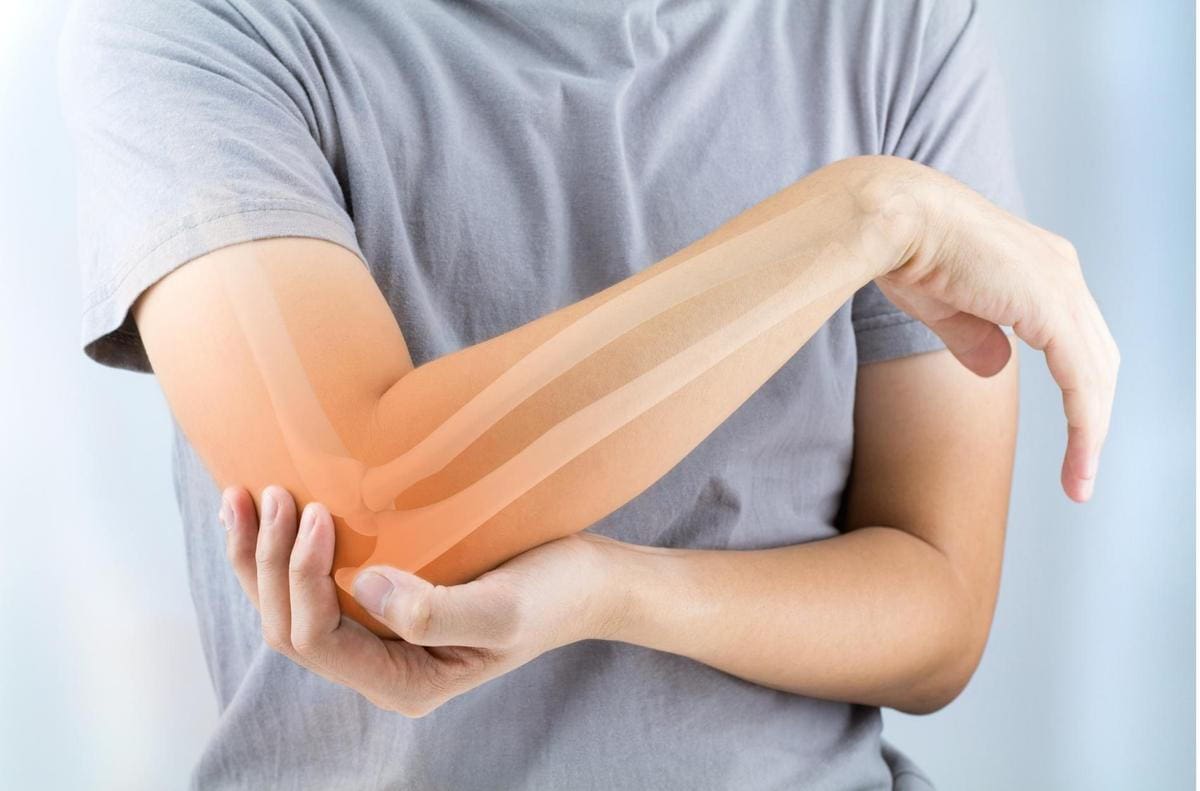
Climber’s Elbow is an overuse injury involving the elbow joint’s tendons. It’s most commonly associated with repetitive gripping, pulling, and pushing motions that climbers often make. Climber’s Elbow has two primary types: Lateral Epicondylitis (Tennis Elbow) and Medial Epicondylitis (Golfer’s Elbow), which involve tendon strain but affect different elbow parts.
When climbers experience lateral epicondylitis (outside elbow pain), it’s often a result of repetitive motions like gripping tight holds or overusing the wrist extensors. On the other hand, medial epicondylitis (inside elbow pain) occurs when the forearm flexor muscles are overstretched or overloaded, leading to inflammation in the area of the medial epicondyle of the humerus. Understanding the difference between these injuries is crucial for effective treatment and recovery.
Common Elbow Injuries in Climbers
Elbow injuries, though less frequent than other climbing injuries, still account for a notable percentage of upper extremity climbing injuries, making up approximately 9.1% of climbing-related issues. These injuries often arise from overuse, improper technique, or lack of conditioning. Understanding the prevalence of these injuries can help climbers take proactive steps in injury prevention and recovery. Some of the most common climbing injuries affecting the elbow include:
- Lateral Epicondylitis (Tennis Elbow): Typically caused by overuse of the wrist extensors, this injury results in pain on the outer side of the elbow.
- Medial Epicondylitis (Golfer’s Elbow): Affects the inner elbow, often caused by repetitive flexion motions, such as when climbers pull with a closed fist or grip holds tightly.
- Collateral Ligament Sprain: Occurs when the ligaments on the side of the elbow become overstretched or torn due to a sudden force or unnatural movement.
- Olecranon Bursitis: Involves inflammation of the bursa at the tip of the elbow, often resulting from repeated contact with surfaces or excess pressure on the joint.
- Ulnar Nerve Irritation: Caused by pressure on the ulnar nerve, this condition can lead to numbness, tingling, and weakness in the forearm and hand.
Lateral vs. Medial Climber’s Elbow Explained
Identifying the difference between lateral and medial Climber’s Elbow is important for identifying the source of pain and determining the appropriate recovery strategy.
- Lateral Climber’s Elbow: This condition affects the outer elbow and is often linked to overuse injuries such as tendinitis of the wrist extensors. This type of injury is typically seen in climbers who rely on their grip strength, especially with open-hand grips.
- Medial Climber’s Elbow: Affecting the inner elbow, this injury is associated with overuse of the forearm flexors and pronator teres muscle. It’s commonly caused by movements such as pulling yourself up or locking off with too much force.
By recognizing these differences, climbers can better target their rehabilitation efforts and sports injury treatment plans.
Preparing for Effective Recovery
Proper recovery is key to overcoming Climber’s Elbow and preventing it from recurring. A structured approach that includes rest and recovery, sports injury treatment, and strength conditioning exercises is essential for long-term healing. In addition to rest, focusing on dynamic warmups and rehab/prehab exercises helps to increase blood flow and flexibility, reducing the risk of re-injury. This comprehensive approach ensures climbers recover and enhance their strength and mobility, enabling them to climb more safely and effectively.
Importance of Warming Up
Warming up before climbing is crucial to prevent injuries like Climber’s Elbow. Dynamic warmups increase blood flow to the muscles and prepare the elbow joint for the physical demands of climbing. A proper warm-up should include full-body movements, such as arm circles, shoulder rolls, and dynamic forearms, wrists, and shoulder stretches.
Rule of Thumb for Warming Up Safely
A safe warm-up should last 5-10 minutes and involve gentle movements to increase flexibility without overstretching the muscles. Dynamic stretches targeting the forearms and wrists should be prioritized, especially for climbers more susceptible to forearm-muscle imbalances.
Role of Stretching and Strengthening
Incorporating both dynamic stretches before climbing and static stretches after climbing can help improve flexibility and reduce the risk of injury. Regular strength training also plays a crucial role in preventing Climber’s Elbow by strengthening the muscles that support the elbow joint.
Dynamic vs. Static Stretching
Stretching is a key component of any effective training routine, especially for climbers looking to prevent injuries and improve performance. Understanding dynamic and static stretching differences can help you maximize their benefits and incorporate them at the right times. Both types of stretching play vital roles in maintaining flexibility, reducing muscle tension, and supporting recovery.
- Dynamic Stretching: This involves moving the muscles through their full range of motion, which helps prepare the body for physical activity. It’s especially beneficial for warming the forearm flexor muscles and wrist extensors.
- Static Stretching: Best performed after climbing, static stretches involve holding a stretch for 20-30 seconds to improve flexibility. Static stretching helps release tension and promotes recovery, reducing the risk of tendinosis and muscle adhesion.
How Strength Training Prevents Reinjury
Regular forearm strengthening exercises, such as eccentric exercises, can help prevent the recurrence of Climber’s Elbow. By improving muscle endurance and correcting forearm-muscle imbalances, climbers can reduce strain on the tendons and enhance their overall performance.
The 9 Most Effective Exercises for Climber’s Elbow

Rehabilitating Climber’s Elbow requires targeted exercises to restore strength, improve flexibility, and reduce inflammation. A combination of eccentric exercises, stretching routines, and strength-conditioning drills can help address this injury’s cause and symptoms. Below are nine essential exercises designed for lateral and medial Climber’s Elbow that focus on restoring balance to the forearm muscles and promoting long-term recovery.
Exercises for Lateral Climber’s Elbow
Incorporating targeted climbers’ elbow exercises is essential for recovery when dealing with Lateral Climber’s Elbow. These exercises help strengthen the wrist extensors and improve flexibility in the forearm, reducing pain and preventing further strain. By regularly practicing specific climbers elbow exercises, climbers can enhance grip strength and address the underlying causes of the injury, promoting faster healing and reducing the likelihood of re-injury.
Mobilization and Stretching Techniques
Start with gentle massage ball techniques to target the forearm extensors. This helps improve blood flow and release muscle tension around the lateral elbow. Stretching the wrist extensors through controlled movements can also help with pain-reducing measures.
Exercise 1: Targeted Tendon Mobilization
Using a massage tool like a lacrosse ball or Armaid, gently apply pressure to the lateral elbow to promote healing. This technique targets the tendons and surrounding tissue, helping to break down adhesions that may have formed due to overuse. Rolling the ball or tool along the affected area stimulates blood circulation, accelerating the healing process and reducing muscle tension. This exercise can be done for 2-3 minutes per session, focusing on the outer elbow, and is beneficial for addressing lateral epicondylitis.
Exercise 2: Grip Strength Enhancement
Incorporate grip-strengthening tools like stress balls or specialized grip strengtheners to build forearm strength and improve endurance. Start with 10-15 repetitions per set, gradually increasing as your strength improves. The key to this exercise is focusing on controlled squeezes, engaging both the forearm flexors and extensors. This will help alleviate the strain caused by poor grip strength and prevent further injury by properly conditioning your hands and forearms. Gradually increase resistance over time to continue building strength.
Exercise 3: Resistance Band Flexion Drills
This exercise is excellent for targeting the wrist extensors, often implicated in Climber’s Elbow. Use a resistance band to add resistance as you perform wrist flexion and extension motions. Wrap the band around a stationary object, hold it with your hand, and stretch your wrist through a full range of motion. Aim for 15-20 repetitions per set, ensuring your wrist moves through its full range without pain. This exercise helps restore flexibility and strength, reducing the risk of tendinitis and promoting better wrist control.
Exercise 4: Isometric Wrist Extensions
Perform this exercise by placing your palm on a flat surface and pushing against the resistance for 5 seconds per repetition. This is excellent for strengthening the wrist extensors and preventing muscle imbalances. Focus on using controlled force and avoid overstretching or overexerting the muscle. Isometric exercises like this help build muscle strength without causing additional strain on the tendons. You can gradually increase the number of sets as your wrist gains strength and stability, making it a key part of any rehabilitation program.
Exercises for Medial Climber’s Elbow
For Medial Climber’s Elbow, incorporating targeted climbers’ elbow exercises is important to reduce pain and improve muscle function. These exercises focus on strengthening the forearm flexors and the pronator teres muscle, commonly affected by this condition. By regularly practicing climbers elbow exercises, climbers can improve flexibility, enhance muscle strength, and relieve tension in the elbow joint, helping to speed up recovery and minimize the risk of future injuries.
Mobilization and Stretching Techniques
For medial elbow pain, focus on stretching the forearm flexors and gently massaging the inner elbow to reduce tension and promote flexibility. These techniques will help ease discomfort and restore the range of motion in the elbow, which is key for recovery. Regular stretching and mobilization can help alleviate muscle tightness and prevent further strain on the tendons.
Exercise 5: Forearm Extensor Stretch
Hold your arm straight and gently pull your fingers back with your opposite hand, stretching the wrist extensors. Hold for 30 seconds and repeat for 2-3 sets. This stretch primarily targets the wrist extensors, commonly affected in the lateral Climber’s Elbow, but it can also help restore overall forearm flexibility. Stretching these muscles regularly will help alleviate tightness and improve mobility, reducing the risk of tendinitis and improving performance during climbs.
Exercise 6: Eccentric Wrist Curls
Use a lightweight dumbbell and lower it slowly to build strength in the forearm flexors. Start with 2 sets of 10-15 repetitions, focusing on the controlled lowering phase of the movement, known as eccentric training. Eccentric wrist curls effectively strengthen the muscles while avoiding excessive strain on the tendons. This exercise helps improve muscle endurance and can reduce the likelihood of muscle imbalances, a common cause of Climber’s Elbow.
Exercise 7: Weighted Ball Squeezes
Squeeze a rubber ball or stress ball for 5 seconds, then relax. Repeat 15-20 times per set to enhance grip strength and improve forearm endurance. This exercise targets the forearm flexors and is especially effective for building the strength needed for grip-intensive climbing. Weighted ball squeezes promote muscle blood flow and help improve overall grip endurance, essential for preventing Climber’s Elbow from recurring.
Exercise 8: Pronation and Supination Drills
Using a lightweight dumbbell, alternate between pronation (palm down) and supination (palm up) to improve wrist mobility and forearm strength. This drill strengthens the muscles responsible for wrist rotation, which is important for maintaining proper climbing technique and improving your ability to handle different grips. Perform this exercise for 2 sets of 10 repetitions on each side, ensuring a controlled motion.
Exercise 9: Farmer’s Carry for Grip Strength
Hold a heavy dumbbell or kettlebell in each hand and walk a short distance. This exercise helps build grip strength and endurance, essential for climbing performance. It also works the forearm muscles, improving overall strength and stability in the elbow joint. To make this exercise more challenging, increase the weight or walking distance over time. Farmer’s carries are a great functional exercise to enhance grip endurance and prevent overuse injuries like Climber’s Elbow.
Treating and Preventing Climber’s Elbow
Proper treatment and prevention of Climber’s Elbow involve a combination of sports injury treatment, exercise, and lifestyle modifications. While injury prevention is vital for all climbers, it’s important to consider how to treat climbers’ elbows effectively, as different climbers may experience injuries differently. Understanding the right approach to treatment, including appropriate exercises and rest, plays a key role in healing and avoiding re-injury.
Research has shown that female rock climbers are more likely to experience shoulder and upper arm injuries compared to their male counterparts. Additionally, women climbers were found to be more likely to undergo surgery to treat these injuries. These differences cannot be attributed to age or climbing habits alone, suggesting that factors like muscle imbalances or grip strength might play a role in the higher injury rates in female climbers. Addressing these imbalances and customizing rehab/prehab exercises for different needs can contribute to better injury prevention for climbers of all genders.
Self-Care Techniques for Immediate Relief
For immediate relief, the R.I.C.E. method (Rest, Ice, Compression, Elevation) is effective for reducing inflammation and managing pain. In addition, consider using Climbers elbow braces for extra support during climbing or other physical activities.
Integrating Exercise into Your Training Routine
Regular rehab/prehab exercises should be incorporated into your climbing routine. This will ensure that your muscles are conditioned to handle the physical strain of climbing, reducing the risk of injury. Consistently integrating these exercises into your training improves muscle strength and flexibility and enhances grip strength and joint stability, essential for preventing Climber’s Elbow and other common climbing injuries.
Equipment and Climbing Technique Adjustments
Improper technique or poor form while climbing can contribute to overuse injuries. Review your climbing technique and make adjustments to avoid unnecessary strain on the elbow joints. Using the appropriate gear, such as quickdraws and grip-strengthening tools, can also help reduce injury risk.
Total Pursuit Physical Therapy’s Approach to Climber’s Elbow
At Total Pursuit Physical Therapy and Performance, we specialize in sports injuries treatment and offer personalized treatment plans for climbers dealing with Climber’s Elbow. Our expert therapists combine manual therapy, rehabilitation exercises, and recovery techniques to help you heal and prevent future injuries.
Personalized Treatment Plans
Our physiotherapists design individualized recovery plans targeting your injury and climbing routine. We use a mix of Graston therapy, extracorporeal shockwave therapy, and kinesio taping to accelerate healing and restore function.
Expert Guidance on Long-Term Recovery
We provide continuous support and guidance throughout your recovery journey, ensuring that your sports injury treatment plan is effective and tailored to your needs. Our team monitors your progress closely, making necessary adjustments to ensure you achieve lasting relief and are fully prepared to return to climbing at your best.
Conclusion
Climber’s Elbow is a frustrating injury, but it can be healed and prevented with the right approach to rehab/prehab exercises, sports injury treatment, and proper climbing technique. Incorporating strengthening exercises, using appropriate gear, and seeking professional guidance can all contribute to long-term recovery and injury prevention.
FAQs
How to get rid of Climber’s Elbows?
Rest, ice, eccentric exercises, and sports injury treatment like physiotherapy or Graston therapy are key to recovery. A combination of dynamic stretches and forearm strengthening exercises can also help restore function.
What does Climber’s Elbow feel like?
Climber’s elbow often manifests as pain on the inside or outside of the elbow, especially when gripping or lifting. You may also experience stiffness, weakness, or tenderness in the affected area.
Is Climber’s Elbow the same as tennis elbow?
No, tennis elbow (lateral epicondylitis) is specifically associated with pain on the outer elbow, while Climber’s Elbow may refer to both lateral and medial epicondylitis, depending on which part of the elbow is affected.